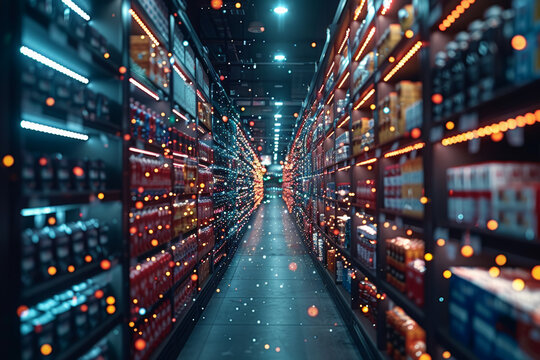

A deep dive into the reasons why online shopping continues to dominate traditional retail in 2025 — exploring convenience, pricing, technology, psychology, sustainability, and global accessibility.
Introduction: A Retail Revolution
Over the past decade, consumer habits have transformed dramatically. Online shopping, once considered a luxury or novelty, has become the default method for purchasing goods. In 2025, e-commerce is not simply an alternative — it is a dominant global system shaped by convenience, speed, personalization, and affordability.
The rise of online shopping has surpassed initial expectations, accelerated by the pandemic, emerging technologies, digital payment systems, and changing lifestyles. According to Statista, global e-commerce sales continue to grow annually, reshaping the retail sector.
This article examines the core reasons behind the popularity of online shopping — from pricing advantages to psychological comfort — and compares it to traditional retail experiences.
Convenience: The Number One Driving Factor
Convenience remains the most cited reason for choosing online shopping. Consumers can browse thousands of products without leaving their homes, saving time, energy, and transportation costs. Smartphones allow shoppers to make purchases during commutes, work breaks, or late at night — creating 24/7 accessibility.
Unlike physical stores, online platforms do not require:
- waiting in lines
- driving or commuting
- carrying shopping bags
- limited opening hours
Convenience appeals to:
- busy professionals
- parents with children
- remote workers
- elderly individuals
- people with disabilities
- rural residents
Pricing and Discounts: The Economic Advantage
Online retailers often offer lower prices than brick-and-mortar stores due to reduced overhead costs. Without the need to pay rent, utilities, or large staff, online businesses can afford aggressive pricing strategies.
In addition, platforms like Amazon and AliExpress use dynamic pricing, allowing them to adjust costs in real time based on demand and inventory.
Popular discount tools include:
- coupon codes
- cashback programs
- seasonal sales
- loyalty rewards
- price comparison extensions
For budget-conscious shoppers, online platforms provide savings opportunities that physical stores cannot easily match.
Variety and Accessibility
Physical stores are limited by shelf space and local availability. Online shopping, however, connects consumers to global markets — offering unprecedented variety.
Shoppers can access:
- international brands
- handmade products
- eco-friendly alternatives
- custom items
- niche categories
Platforms like Etsy have empowered small businesses and artisans, while large marketplaces provide extensive product catalogs.
Personalization and Recommendations
Algorithms play a crucial role in online shopping. Personalized recommendations increase satisfaction, reduce search time, and introduce products aligned with individual preferences. Machine learning tracks:
- past purchases
- browsing history
- shopping cart behavior
- demographics
According to McKinsey, personalization can significantly improve customer satisfaction and sales.
In physical stores, personalization is limited — online algorithms, however, evolve constantly.
The Psychology Behind Online Shopping
Beyond convenience and pricing, psychology plays a major role in the rise of online shopping. Digital retail environments are designed to reduce friction and increase satisfaction. Features such as one-click checkout, personalized ads, and wish lists encourage purchases by reducing decision fatigue.
According to research published by the American Psychological Association, online environments trigger dopamine reward systems, making shopping more enjoyable than traditional retail.
Additional psychological motivators include:
- the comfort of shopping anonymously
- the excitement of delivery anticipation
- a sense of control and autonomy
- avoiding social pressure from salespeople
Fast and Reliable Delivery Systems
Delivery infrastructure has evolved significantly. Same-day and next-day shipping have become common in major cities, while rural areas benefit from improved logistics networks. Companies like DHL, Amazon Logistics, and local courier services are reducing delays and increasing transparency.
Real-time tracking, delivery lockers, and pickup points further enhance convenience, allowing consumers to manage their time more efficiently.
Easy Returns and Refund Policies
One of the biggest barriers in traditional retail is the hassle of returns. Online platforms simplify this process by offering:
- prepaid return labels
- drop-off points
- doorstep pickup
- fast refunds
The Federal Trade Commission outlines refund rights and policies that protect online consumers, creating a sense of trust.
Security and Payment Flexibility
Modern payment systems have made online transactions safer. Encryption, two-factor authentication, and fraud detection offer security beyond what many physical stores provide.
Payment options include:
- credit and debit cards
- PayPal
- Apple Pay / Google Pay
- buy-now-pay-later services (BNPL)
- cryptocurrency in select markets
The PCI Security Standards Council regulates secure payment systems to protect data.
Mobile Commerce Dominance
Smartphones have become the primary shopping device. In 2025, mobile commerce (m-commerce) accounts for a major share of e-commerce revenue, driven by:
- mobile apps
- push notifications
- digital wallets
- social media integration
A report by eMarketer shows that m-commerce continues to expand due to convenience and constant connectivity.
Consumers now browse, compare, and purchase products within seconds on handheld devices.
Sustainability and Eco-Friendly Shopping
Sustainability has become a key concern for modern shoppers. Online platforms facilitate eco-friendly purchasing by offering:
- second-hand marketplaces
- low-waste packaging options
- digital receipts
- certified sustainable products
Organizations such as Greenpeace highlight the importance of ethical consumer decisions, pushing retailers to adopt greener practices.
Global Market Access
One of the most transformative features of online shopping is access to international markets. Consumers can buy products unavailable locally, supporting small and global businesses.
Items from around the world can be shipped directly to homes, expanding cultural options and increasing product diversity — a major advantage over physical stores.
The Influence of Social Media on Shopping Behavior
Social media platforms have become powerful commercial ecosystems. Instagram, TikTok, and Facebook offer integrated shopping features, allowing users to purchase items directly from posts, reels, or ads.
Influencer marketing has transformed product discovery. According to Influencer Marketing Hub , influencer-driven purchasing continues to grow annually, especially among younger demographics.
Social media encourages:
- impulse buying
- brand loyalty
- trend following
- peer comparison
Subscription Models and Auto-Replenishment
Subscription services have changed the way people shop for everyday necessities. Products such as groceries, cosmetics, vitamins, and pet food can be delivered automatically — preventing stockouts and saving time.
Services like Amazon Subscribe & Save and meal kit companies like HelloFresh have normalized recurring purchases, creating convenience for families and busy professionals.
Artificial Intelligence and Augmented Reality
AI and AR technologies are redefining online shopping. Consumers can visualize furniture in their homes, try on glasses virtually, or use chatbots for advice. This closes the gap between digital and physical retail experiences.
According to reports from Gartner, AI-driven retail automation continues to rise, improving personalization and inventory management.
AR applications allow:
- virtual fitting rooms
- room visualization
- makeup try-ons
- interactive product previews
The Privacy Debate
Although online shopping offers advantages, it raises concerns about data collection and tracking. Customers are increasingly aware of how their data is used for targeted advertising and personalization.
Regulatory frameworks such as the EU General Data Protection Regulation (GDPR) provide legal protections, but debates continue about transparency and consent.
Urban vs. Rural Impact
Traditionally, urban areas have had better access to physical retail, while rural regions suffered from limited shopping options. Online shopping bridges this gap by offering access to nationwide and global product catalogs.
Delivery services provide rural communities with expanded access to:
- specialized goods
- medical supplies
- technology
- fresh groceries
Case Studies: Online Shopping Success Stories
Several companies exemplify the transformation of retail:
- Amazon: pioneered fast delivery and personalization
- Alibaba: enabled global B2B and B2C transactions
- Etsy: empowered small businesses and artisans
- Shopify: enabled independent entrepreneurs
Brands built on social commerce — particularly direct-to-consumer models — flourish due to lower overhead and digital reach.
Pros and Cons of Online Shopping vs. Physical Stores
While online shopping offers clear advantages, traditional retail still has merits.
Benefits of online shopping:
- convenience
- pricing
- global access
- product diversity
- fast delivery
Benefits of physical stores:
- immediate product availability
- in-person customer service
- hands-on product testing
Consumers increasingly use a hybrid model — researching online and buying in store, or vice versa — reflecting omnichannel trends.
The Environmental Impact of Online Shopping
As online shopping expands, questions about sustainability grow louder. Packaging waste, delivery emissions, and returns create environmental concerns. However, compared to individual shopping trips by car, consolidated delivery routes may reduce overall emissions in certain regions.
A study from the International Energy Agency (IEA) suggests that efficient logistics can reduce carbon output when optimized.
Environmentally conscious shoppers now seek:
- minimal packaging
- recycled materials
- delivery consolidation
- carbon-neutral shipping
Packaging Waste and Returns
Returns present a unique environmental challenge. Items often cannot be resold and may be sent to liquidation or disposal centers. The growth of fast fashion and high return rates increases waste.
Organizations such as WWF advocate for responsible consumer habits and better recycling programs.
Retailers are responding with:
- return fees to discourage over-ordering
- improved size guides
- AI-driven recommendation accuracy
The Decline of Physical Retail
Online shopping’s growth has reshaped physical retail landscapes. Traditional malls struggle as foot traffic declines, forcing many stores to close or pivot toward experiential services.
Analysts at the Deloitte Retail Insights predict an ongoing shift toward hybrid retail and experiential spaces.
Brands that survive are often those that:
- offer click-and-collect
- integrate digital loyalty
- personalize in-store experience
- host workshops and events
Jobs, Automation, and the Future of Work
Automation and digital retail have transformed employment. Warehouse robots, delivery drones, and self-checkout systems reduce labor needs, while new roles emerge in logistics, digital marketing, and IT.
A report from the Brookings Institution highlights both the opportunities and risks associated with retail automation.
The workforce is shifting toward:
- data analysis
- software development
- customer success
- warehouse logistics
Economic Impact of Online Retail
Online shopping boosts small business visibility by lowering barriers to entry. Platforms like Shopify and Etsy allow independent sellers to reach global audiences. Meanwhile, large companies benefit from economies of scale.
According to the OECD, e-commerce contributes significantly to GDP growth in developed nations.
Omnichannel Retail: The Hybrid Future
The future of retail is neither exclusively online nor offline. Instead, omnichannel ecosystems blend both experiences, offering:
- buy online, pick up in store
- in-store returns for online purchases
- unified loyalty programs
- mobile checkout
Retailers adopting this model gain competitive advantages by merging convenience with physical customer service.
Consumer Empowerment and Transparency
Online shopping empowers consumers through:
- real-time reviews
- price comparison
- product authenticity checks
- public seller ratings
Websites like Trustpilot enable customers to evaluate businesses before purchasing.
Frequently Asked Questions (Extended)
Is online shopping always cheaper than in-store shopping?
Not always. While online retailers often offer lower prices due to reduced overhead, some products— especially groceries and perishable goods—can be cheaper in-store. However, online price comparison tools and discounts frequently give digital shoppers an advantage.
Is online shopping safe?
Yes, when purchasing from reputable retailers. Encryption, secure payment gateways, and fraud protection make modern e-commerce safe. Organizations such as the FTC and PCI Council regulate security standards.
Why do people trust reviews online?
Reviews offer social proof. Sites like Trustpilot help users assess product quality and seller reliability. Verified purchase systems further enhance trust.
What’s the biggest disadvantage of online shopping?
Inability to physically inspect products. Fit, texture, size, and quality can be misjudged. Returns help mitigate this, but they add inconvenience and environmental cost.
Are delivery services sustainable?
It depends. Consolidated routes and electric fleets may reduce emissions, but packaging waste and returns remain environmental challenges.
How has social media changed shopping habits?
Influencers and social platforms drive trends and discovery. Integrated shopping features blur the line between content and commerce.
Why do rural customers prefer online shopping?
Because local retail options may be limited. Online markets provide access to diverse goods unavailable in remote regions.
Is physical retail going to disappear?
No. Physical stores will evolve rather than vanish. Hybrid models combining in-store experiences with digital convenience are emerging.
Do subscription services save money?
Yes, for regularly consumed goods. Auto-replenishment prevents impulse buying and offers discounts, making it cost-effective for families.
Can online shopping support small businesses?
Absolutely. Platforms like Etsy and Shopify empower independent sellers to reach global audiences without high physical costs.
Conclusion: The Digital Consumer Era
Online shopping dominates in 2025 not because it replaces retail entirely, but because it reflects modern values: convenience, flexibility, personalization, and control. Consumers no longer accept traditional limitations of time, geography, or availability — digital platforms empower them to shop when, where, and how they want.
The psychological ease of browsing, competitive pricing, global access, and technological innovations make online retail compelling. Meanwhile, physical stores evolve into experiential centers rather than transactional hubs, leading to a hybrid retail future.
Ultimately, people prefer online shopping because it aligns with their daily realities — busy schedules, tight budgets, and the desire for tailored recommendations. The future of retail is not a battle between online and offline spaces, but a fusion of both.
In essence, the revolution in shopping is not technological alone — it is cultural. It reflects shifting priorities: time, sustainability, transparency, and personalization. Online shopping succeeds because it adapts to human needs — and those needs are evolving faster than ever.