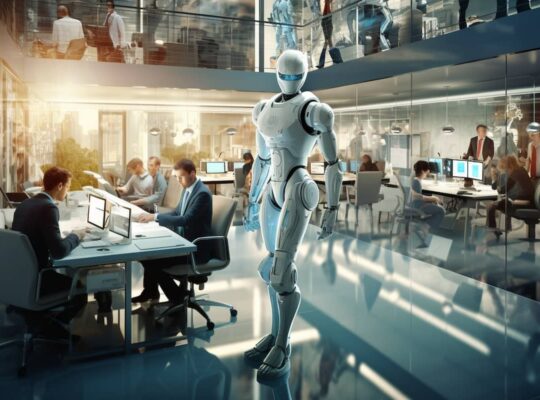

An in-depth exploration of why constant updates have become a defining feature of modern life — and why they feel increasingly exhausting.
Introduction: Living in a Permanent Update Cycle
Phones update. Apps update. Software updates. Systems update. Even services, platforms, and everyday tools seem to require constant revision and adaptation.
Updates were once occasional improvements. Today, they are continuous and unavoidable. Many people feel that nothing is ever finished — everything is always “in progress.”
This article examines why updates have become so frequent, how this culture developed, and why constant updating creates fatigue rather than progress.
Updates Used to Mean Improvement
Historically, updates were rare and meaningful. They fixed clear problems or introduced major improvements.
Because updates were infrequent, users experienced them as positive events. Change felt purposeful and easy to integrate.
Today, the meaning of “update” has shifted. It often represents maintenance rather than progress.
The Shift From Finished Products to Ongoing Systems
Modern technology is no longer built as a finished product. It is designed as a living system.
This model allows companies to:
- release faster
- collect user data continuously
- adjust based on behavior
- respond to competitors quickly
While efficient for development, it transfers the cost of adaptation to users.
Why Updates Feel Never-Ending
Updates are no longer tied to completion. They exist as part of a cycle that never resolves.
As soon as one update is installed, another is already in development.
This creates a sense that nothing is stable or final.
The Business Incentive Behind Constant Updates
Frequent updates are not accidental. They support engagement metrics and revenue models.
Updated systems:
- keep users interacting
- enable feature testing
- justify subscriptions
- extend product lifecycles
According to Harvard Business Review, continuous iteration is now central to digital business models.
Why Users Feel Tired of Updating
Each update demands attention, time, and adaptation. Even small changes require mental effort.
When updates are constant, users experience cognitive overload.
The cumulative effect is fatigue rather than improvement.
The Loss of Familiarity
Familiarity reduces mental effort. Stable systems allow users to act without thinking.
Constant updates disrupt this process. What was once automatic becomes conscious again.
This repeated disruption is a major source of frustration.
Updates and the Feeling of Falling Behind
When systems change frequently, users who do not update immediately feel left behind.
This creates subtle pressure to stay current even when updates are unnecessary.
Technology shifts from being a tool to being an obligation.
Why Updates Are Rarely Optional
Many updates are mandatory. Security, compatibility, and functionality are used to justify forced changes.
While some updates are essential, others primarily serve internal business goals.
Lack of choice increases resistance and stress.
The Psychological Cost of Constant Adaptation
Humans adapt well to change, but only when change is meaningful and paced.
Constant minor changes exhaust adaptive capacity.
According to research published by the National Institutes of Health, repeated low-level adaptation increases mental fatigue.
Updates Beyond Technology
The update mentality has spread beyond tech. Processes, policies, platforms, and services now change continuously.
This contributes to a broader sense of instability in everyday life.
Why “Always Improving” Feels Unsatisfying
Improvement without pause prevents completion. Without a sense of finished work, satisfaction decreases.
Endless updates replace achievement with maintenance.
What Would Make Updates Feel Better
1. Slower Update Cycles
Stability allows familiarity.
2. Clear Purpose
Users accept change when benefits are obvious.
3. Optional Adoption
Choice increases trust.
4. Respect for Habit
Design should protect established use.
External References
Harvard Business Review – Continuous Improvement
NCBI – Cognitive Adaptation
Nielsen Norman Group – UX Stability
Interaction Design Foundation
FAQs
Why does everything require updates now?
Because modern systems are built as ongoing processes.
Are frequent updates necessary?
Some are, many are not user-driven.
Why do updates feel exhausting?
They require constant adaptation.
Can update fatigue be reduced?
Yes, through slower and clearer update strategies.
Conclusion
Everything needs an update now because modern systems are designed for continuous change rather than completion.
Understanding this shift helps explain why progress increasingly feels like maintenance — and why stability has become a rare luxury.