
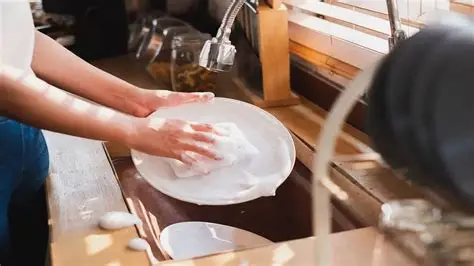
A practical guide to common dishwashing mistakes that most people make daily, and how these habits affect hygiene, time, and cleanliness — without realizing it.
Introduction: Why Handwashing Dishes Is More Complicated Than It Seems
Washing dishes by hand is one of the most common household tasks. Because it feels simple and repetitive, most people never question how they do it.
As a result, many dishwashing habits are inefficient or unhygienic, even when dishes appear visually clean.
Understanding basic mistakes can significantly improve results without extra effort.
Why Visual Cleanliness Is Not the Same as Proper Cleaning
Many dishes look clean while still holding grease, food residue, or bacteria.
Proper dishwashing depends on technique, not appearance alone.
Small errors often undo the cleaning process.
Using Cold or Lukewarm Water
One of the most common mistakes is using water that is too cold.
Cold water does not dissolve grease effectively, making dishes harder to clean.
Warm water improves detergent performance and reduces scrubbing time.
Adding Dish Soap Directly to Plates
Applying dish soap directly onto dishes may seem efficient, but it often leads to uneven cleaning.
Soap works best when mixed properly with water.
Concentrated soap can also leave residue.
Using Dirty Sponges or Cloths
Sponges and cloths are among the most bacteria-filled items in most kitchens.
Using dirty tools spreads germs instead of removing them.
How Often Sponges Should Be Cleaned or Replaced
- rinse thoroughly after each use
- allow to dry completely
- replace regularly
Clean tools are essential for clean dishes.
Not Removing Food Residue Before Washing
Leaving food scraps on plates makes washing harder and contaminates water faster.
Removing excess food first improves overall cleanliness.
Washing Everything in the Same Order
Washing heavily soiled items before lightly used ones contaminates water quickly.
Proper order improves hygiene and efficiency.
Why Dishwashing Order Matters
Starting with glasses and cutlery, then plates, and ending with pots and pans keeps water cleaner longer.
Rinsing Dishes Incorrectly
Rinsing is often treated as a quick final step, but doing it poorly leaves soap residue on dishes.
Soap residue affects taste, smell, and hygiene.
Why Soap Residue Is a Bigger Problem Than You Think
Leftover detergent attracts dirt and bacteria once dishes are stored.
Proper rinsing ensures dishes stay clean longer.
Using the Same Water for Too Long
Reusing dirty water is one of the most common mistakes when washing dishes by hand.
Once water becomes cloudy or greasy, it no longer cleans effectively.
When to Change the Water
- when water turns cloudy
- when grease floats on the surface
- when soap stops foaming
Fresh water improves results instantly.
Letting Dishes Sit Too Long Before Washing
Allowing dishes to sit causes food to harden and bacteria to grow.
This makes washing harder and less hygienic.
Why Dried Food Is Harder to Remove
Dried residue bonds more strongly to surfaces.
Quick rinsing after use reduces scrubbing time later.
Using Too Much Force When Scrubbing
Aggressive scrubbing can damage dishes, cookware, and sponges.
Technique matters more than strength.
Better Alternatives to Harsh Scrubbing
- soak dishes briefly
- use warm water
- apply soap evenly
These methods protect surfaces and clean more effectively.
Drying Dishes the Wrong Way
Drying methods affect cleanliness more than most people realize.
Improper drying can reintroduce bacteria.
Air-Drying vs Towel-Drying
Air-drying reduces contact with potentially dirty towels.
If towels are used, they must be clean and dry.
Stacking Wet Dishes Too Soon
Stacking dishes before they are dry traps moisture.
Moist environments encourage bacteria growth.
Ignoring the Sink and Drain
Even clean dishes can be contaminated if washed in dirty sinks.
Regular sink cleaning supports better hygiene.
Why Small Dishwashing Habits Matter
Dishwashing habits are repeated daily.
Small mistakes, repeated often, reduce overall cleanliness.
Dishwashing Myths That Lead to Poor Hygiene
Many dishwashing habits are based on assumptions rather than effective cleaning practices.
These myths often reduce hygiene without people realizing it.
Myth: If It Looks Clean, It Is Clean
Visual cleanliness does not guarantee the removal of grease or bacteria.
Residue can remain invisible after improper washing.
Myth: Using More Soap Cleans Better
Excess soap makes rinsing harder and leaves residue behind.
Proper dilution is more effective than quantity.
Myth: Cold Water Saves Water and Is Just as Effective
Cold water requires more scrubbing and longer washing time.
Warm water cleans faster and more efficiently.
Eco-Friendly Mistakes That Reduce Cleanliness
Trying to save water or detergent can sometimes reduce hygiene if done incorrectly.
Balance is key.
Reusing Very Dirty Water
Reusing water excessively spreads grease across multiple dishes.
Changing water when needed improves hygiene without wasting large amounts.
Skipping Proper Rinsing to Save Water
Skipping rinsing leaves detergent residue.
Residue affects taste and surface cleanliness.
How Restaurants Wash Dishes Differently
Professional kitchens follow specific procedures to maintain hygiene.
While homes do not need the same systems, basic principles can be applied.
Restaurant Dishwashing Principles
- separate stages for washing and rinsing
- frequent water changes
- proper drying before storage
- clean tools at all times
These principles translate well to home kitchens.
Small Daily Improvements That Make a Big Difference
Improving dishwashing does not require changing everything at once.
Small adjustments improve results immediately.
Simple Improvements to Apply Today
- rinse dishes quickly after use
- use warm water consistently
- change water when greasy
- air-dry whenever possible
These habits reduce effort and improve cleanliness.
Why Consistency Matters More Than Perfection
Perfect technique is less important than consistent good habits.
Repeating simple steps daily creates better long-term hygiene.
Why Dishwashing Still Feels Inefficient for Many People
Many people feel that washing dishes by hand takes too long and never feels fully satisfying.
This frustration usually comes from repeating small mistakes every day, not from the task itself.
Correcting these habits makes dishwashing faster and more hygienic.
A Simple Hand Dishwashing Checklist
This checklist helps ensure dishes are cleaned properly without unnecessary effort.
- remove food residue before washing
- use warm water consistently
- mix soap properly with water
- wash clean items before greasy ones
- change water when it becomes cloudy
- rinse thoroughly to remove residue
- air-dry whenever possible
Following these steps improves results immediately.
Frequently Asked Questions
Is washing dishes by hand hygienic?
Yes. When done correctly, handwashing dishes is hygienic and safe for everyday use.
Should dishes be rinsed before washing?
Yes. Removing excess food improves soap effectiveness and keeps water cleaner.
Is air-drying better than towel-drying?
Air-drying reduces contact with potentially contaminated towels.
How often should sponges be replaced?
Sponges should be replaced regularly, depending on usage and condition.
Does warm water really matter?
Yes. Warm water dissolves grease more effectively and reduces scrubbing effort.
Conclusion: Small Changes Make Dishwashing Easier
Washing dishes by hand does not need to feel exhausting or ineffective.
Paying attention to simple habits transforms a daily chore into a faster, cleaner process.
When done correctly, dishwashing becomes routine, not frustrating.