
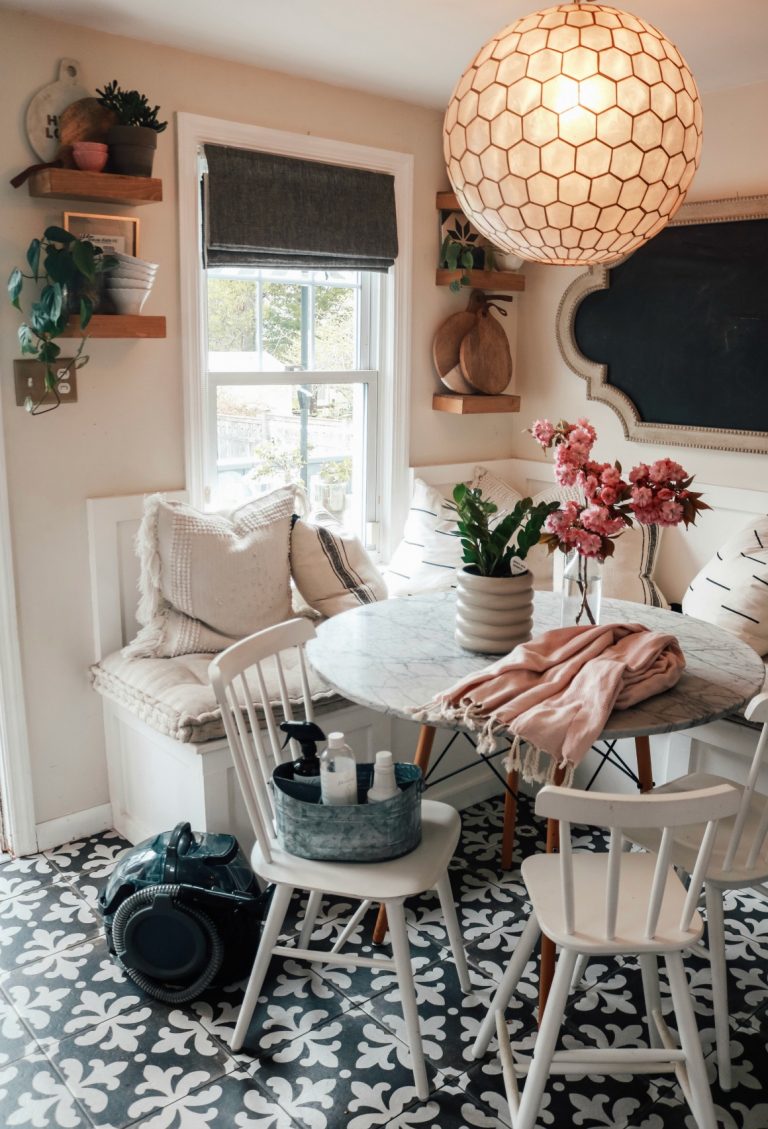
A practical and thoughtful guide to creating a warmer, calmer, and more comfortable home through small everyday habits.
Introduction: Cozy Is Not About Decoration
When people think about a cozy home, they often imagine interior design trends, furniture, or decorative objects. While these elements matter, true coziness is not created by buying more things. It is created by how a space is used, maintained, and lived in every day.
A cozy home feels safe, calm, welcoming, and comfortable. It is a place where the body can relax and the mind can slow down. In many cases, this feeling comes from small habits repeated daily rather than big design changes.
This article explores simple daily habits that can make any home feel warmer and more inviting, regardless of size, style, or budget.
What Does “Cozy” Really Mean?
Cozy is a sensory experience. It involves how a space feels, sounds, smells, and supports emotional comfort.
A cozy home usually includes:
- soft lighting
- comfortable temperatures
- minimal visual clutter
- familiar sounds and smells
- a sense of safety and privacy
These elements are often influenced more by habits than by decoration.
1. Opening the Windows Every Morning
One of the simplest habits for improving a home’s atmosphere is daily ventilation. Fresh air changes how a space feels almost instantly.
Opening windows each morning:
- refreshes indoor air
- reduces stale smells
- brings in natural light
- signals the start of a new day
Even in colder months, short ventilation periods improve air quality and overall comfort.
2. Creating Soft Lighting in the Evening
Lighting plays a major role in how cozy a home feels. Harsh overhead lights can make spaces feel cold and uninviting.
Switching to softer lighting in the evening helps the body relax and creates a warmer atmosphere.
Simple habits include:
- using lamps instead of ceiling lights
- choosing warm-toned bulbs
- turning off unnecessary lights
3. Keeping Surfaces Mostly Clear
Visual clutter increases mental noise. When surfaces are crowded, the home feels busy and overwhelming.
A cozy home does not need to be minimalist, but it benefits from intentional organization.
Daily habits that help:
- clearing tables at the end of the day
- putting items back in their place
- limiting decorative objects to a few meaningful pieces
4. Using Textiles for Comfort
Soft textures make a home feel instantly warmer. Blankets, cushions, rugs, and curtains absorb sound and add comfort.
Small daily habits include:
- keeping a blanket accessible on the sofa
- using rugs in high-traffic areas
- choosing soft fabrics over rigid materials
5. Creating Small Daily Rituals
Rituals turn a house into a home. Simple repeated actions give a sense of stability and comfort.
Examples of cozy rituals:
- morning coffee or tea in the same spot
- evening candle lighting
- playing calm music at night
- reading before bed
6. Keeping the Home at a Comfortable Temperature
Physical comfort strongly affects emotional comfort. A cozy home feels neither too cold nor too hot.
Adjusting temperature, adding throws, or using layered clothing can significantly improve how welcoming a space feels.
7. Letting Your Home Smell Pleasant
Smell is closely linked to memory and emotion. A home that smells good feels instantly more inviting.
Simple habits include:
- regular ventilation
- natural scents like herbs or citrus
- light use of candles or diffusers
According to Healthline, sensory comfort at home can positively influence mental wellbeing.
8. Making the Bed Every Morning
Making the bed is a small habit with a big impact. It creates visual order and a sense of calm.
Returning to a tidy bedroom in the evening makes the space feel more restful and welcoming.
9. Reducing Background Noise
Constant noise can prevent relaxation. A cozy home often includes intentional quiet.
This might mean:
- turning off unnecessary devices
- choosing calm music
- reducing TV use as background noise
Why Small Habits Matter More Than Big Changes
Big renovations or purchases may change how a home looks, but habits change how it feels.
Cozy homes are built through consistency, not perfection. Small daily actions shape the emotional atmosphere over time.
External References
Healthline – Home Environment & Mental Health
Psychology Today – Environmental Psychology
Architectural Digest – Home Comfort
FAQs
Does a cozy home need to be perfectly clean?
No. It needs to feel comfortable and intentional, not perfect.
Can small homes feel cozy?
Yes. Often even more so than large spaces.
Do habits really change how a home feels?
Yes. Daily habits shape atmosphere more than décor.
Is coziness personal?
Very. What feels cozy varies from person to person.
Conclusion
A cozy home is not created overnight or through decoration alone. It is built through small, intentional habits that support comfort, calm, and emotional safety.
By adjusting how you use your space each day, any home can become warmer, more inviting, and more supportive of wellbeing.