A deep look at what helps, what doesn’t, and how to actually sleep better.
The Business of Sleep
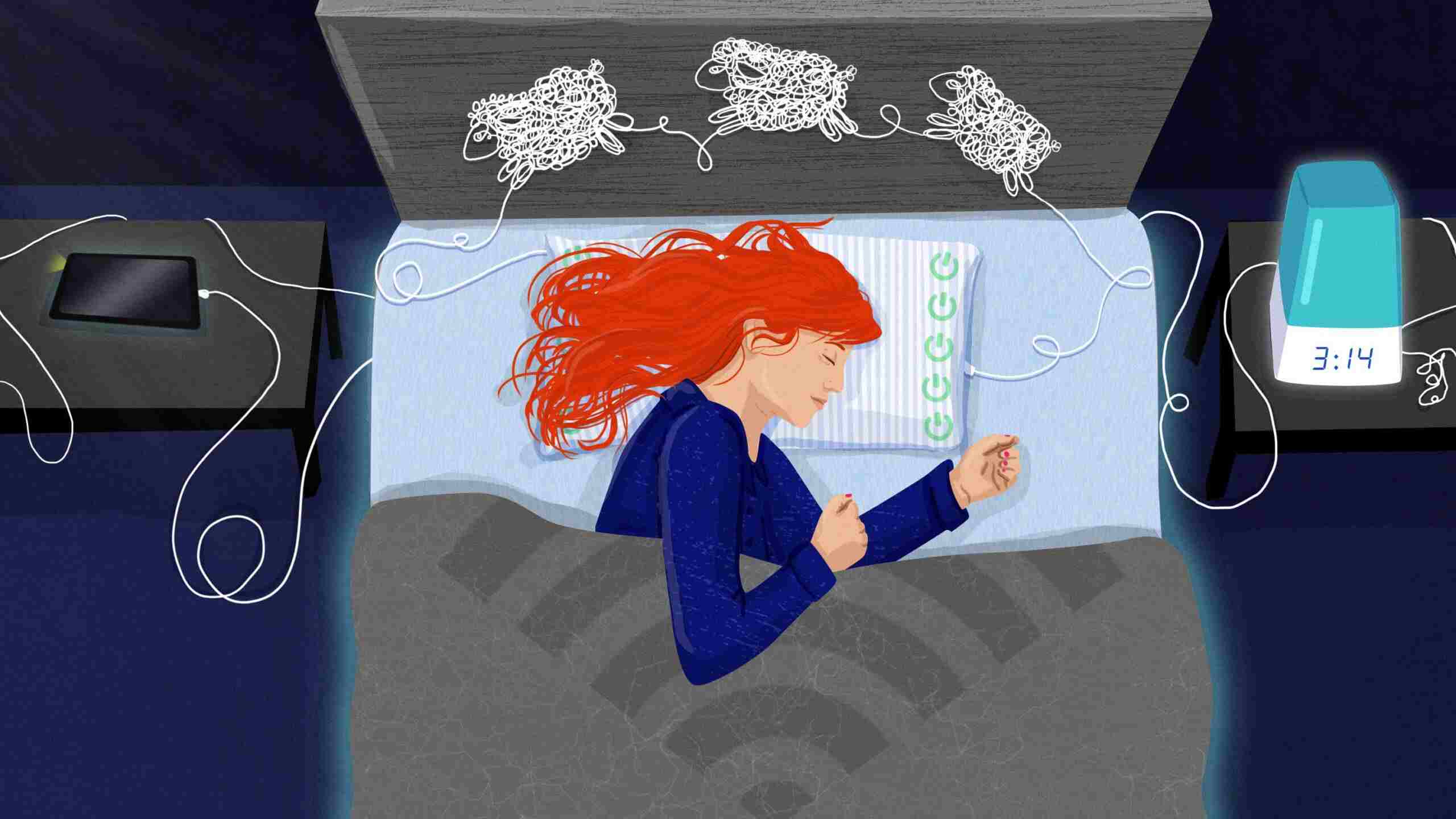
Sleep has become a billion-dollar industry. We now have smart mattresses, sleep apps, dream recording tools, temperature-controlled pillows, rings that track REM sleep, and AI routines that claim to optimise your circadian rhythm. But do they really work?
What Sleep Tech Is Good At
Most devices are very good at tracking patterns. They show how much you sleep, when you wake up, and how your habits affect your nights.
- bedtime consistency
- wake-ups during the night
- light vs deep sleep estimation
- heart rate and nighttime stress
What Sleep Tech Can’t Fix
Sleep apps cannot solve the real causes of insomnia:
- stress overload
- late-night screens
- chronic anxiety
- caffeine timing
- irregular schedules
Without behavioural change, trackers only show data — they don’t create better sleep.
Sleep Tech That Helps
- blue-light filters at night
- sunrise lamps instead of loud alarms
- bedroom temperature control around 18–20°C
- white noise or pink noise for deepening sleep
Sleep Tech That Is Mostly Hype
- apps that “read” dreams
- magical pillows
- random melatonin supplements
- AI sleep predictions without medical base
What Truly Improves Sleep
- consistent schedule
- morning daylight exposure
- less screen exposure after sunset
- cool temperature
- evening relaxation routine
Conclusion
Sleep tech can support your goals, but healthy habits remain more effective than gadgets. Use technology to understand your sleep — not to obsess over numbers.