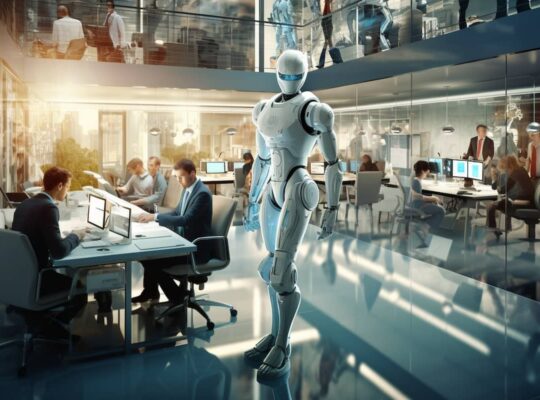
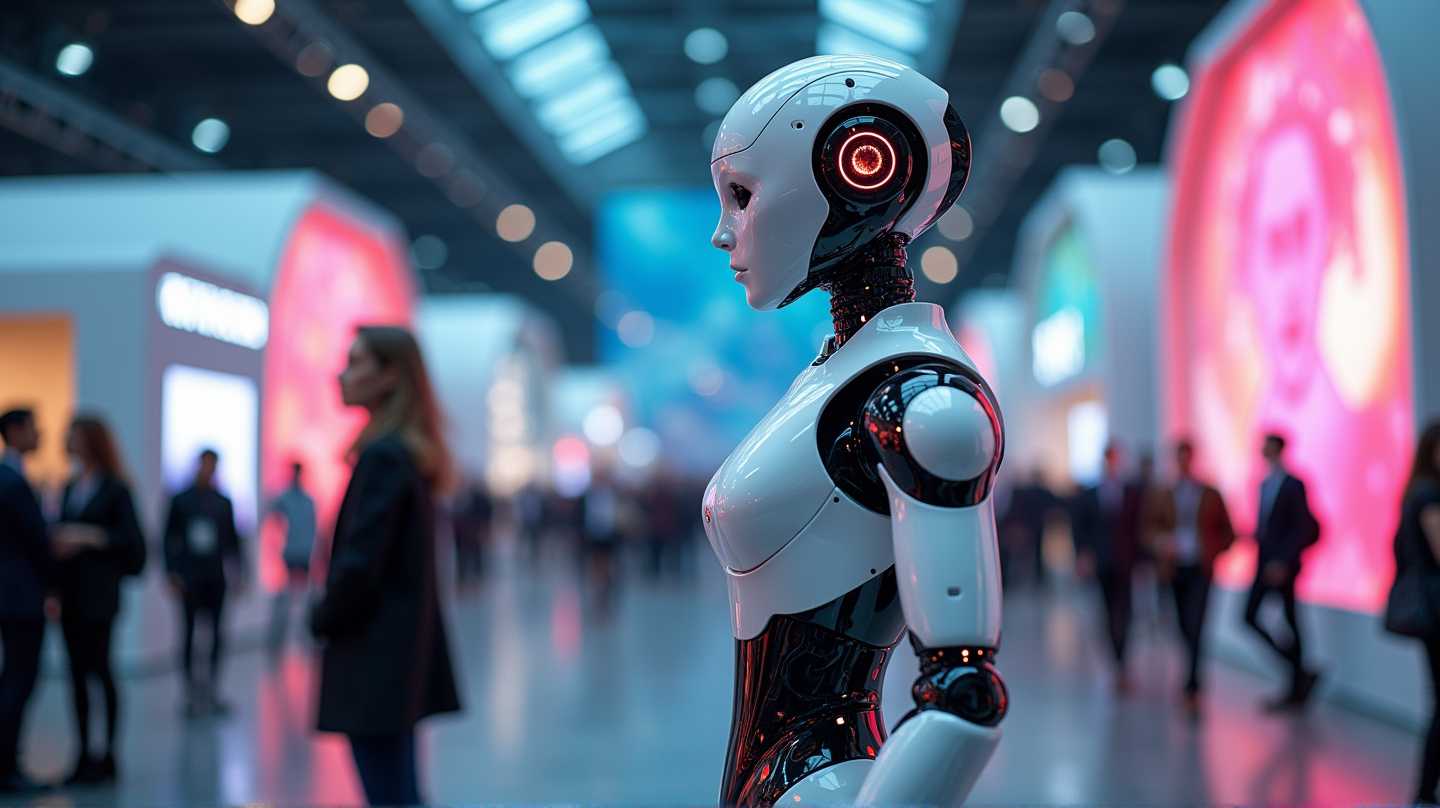
When people hear the word “robots”, they imagine humanoid machines walking around cities, metallic limbs, artificial voices and futuristic environments. But the real robot revolution of 2025 looks nothing like that.
It’s silent. It’s invisible. It’s already everywhere.
The largest automation shift in human history is not happening in laboratories or factories — it’s happening inside homes, apps, stores, cars, and workplaces. Robots today are not shaped like humans; they are shaped like software, algorithms, sensors, autonomous systems, and AI-powered devices.
Without realizing it, millions of people wake up, work, shop, travel, communicate and sleep with robots performing countless micro-tasks for them. This is the Silent Robot Revolution.
What Makes This Revolution “Silent”?
Past technological revolutions were visible: machines replaced manual labor, factories changed city landscapes, and electronics transformed households. The robot revolution of 2025, however, hides inside everyday products:
- vacuum robots that map your home while you sleep
- AI assistants scheduling your life
- cars making decisions for you
- smart fridges reordering food automatically
- security systems that can see, hear and predict
- apps that learn your habits and act independently
You don’t see robots — because they don’t look like robots. They live in the background, performing tasks you no longer think about.
1. Invisible Robots in the Home
Homes in 2025 are full of autonomous systems handling tasks that were manual just a decade ago. These robots don’t have faces or arms — they are integrated into furniture, appliances and devices.
Smart Cleaning Robots
Vacuum robots, mop robots and window-cleaning robots are now using:
- 3D scanning
- LiDAR navigation
- AI object recognition
to understand your home better than you do.
Kitchen Automation
- Air fryers that adjust time and temperature based on food weight
- Ovens that detect doneness using sensors
- Coffee machines that anticipate when you wake up
- Fridges that track expiration dates and reorder products
Cooking is becoming less of a chore and more of a supervised task.
Energy and Climate Robots
- smart thermostats learning your temperature preferences
- AI lighting systems adjusting brightness and color automatically
- electricity optimization systems reducing bills autonomously
These systems act like a hidden household manager.
2. Robots Managing Your Digital Life
The average person interacts with 10–50 automated systems daily without noticing. Artificial intelligence now handles:
- email sorting
- spam filtering
- calendar scheduling
- payment reminders
- password management
- smart photo organization
- cloud backups
This is digital housekeeping — robots cleaning and arranging your virtual world.
AI Personal Assistants
2025 assistants are no longer passive tools; they act:
- pre-emptively
- intelligently
- autonomously
They analyze your habits, anticipate your needs, and make decisions without waiting for your commands.
3. Robots in Transport and Mobility
Transportation is one of the areas where silent automation is most advanced.
Autonomous Driving Support
Most cars manufactured after 2023 already include:
- lane keeping robots
- blind-spot monitoring
- adaptive cruise control
- autonomous braking
- driver fatigue detection
A modern car is essentially a robot on wheels.
Smart Navigation
Navigation apps now use predictive AI that:
- anticipates traffic
- adjusts routes dynamically
- calculates risk probability
- avoids accidents before they happen
The route you take every day isn’t random — an invisible robot chose it for you.
4. Robots Running Retail & Shopping
From supermarkets to e-commerce platforms, robots have taken over large parts of the consumer experience.
Automated Supermarkets
- cameras that track what you pick up
- automatic billing when you walk out
- robotic stock management
- temperature-controlled delivery robots
Human interaction is becoming optional.
Online Shopping Automation
E-commerce sites use AI robots that:
- recommend products
- forecast your needs
- create personalized discounts
- optimize delivery routes
Behind every “Buy Now” button is an army of invisible robots.
5. Workplace Robots You Don’t See
Offices look the same, but the internal processes are robotic. Automation now handles:
- customer service triage
- meeting transcription
- document summarization
- data entry
- HR filtering
- fraud detection
- accounting tasks
Companies are hiring fewer people not because robots “took jobs”, but because workers don’t even realize robots are already doing part of their job.
6. Invisible Robots in Healthcare
Medical automation in 2025 is subtle but powerful:
- AI systems analyzing blood tests
- robots preparing medication doses
- wearables monitoring vital signs 24/7
- smart hospital beds detecting respiratory patterns
Many diagnoses today start with a robot — not a doctor.
7. Emotional & Social Robots
The biggest surprise of 2025 is the rise of emotional robots. Not metal beings, but AI systems mimicking:
- empathy
- companionship
- mental health support
Millions already speak daily with AI companions that:
- check how they feel
- remember their emotional history
- offer psychological insights
This is the beginning of a new emotional-robot era.
Why People Haven’t Noticed This Revolution
Because nothing looks robotic. Automation is not loud — it’s subtle. It blends into objects, apps, services and interfaces we already use.
People think automation is coming, but it has already arrived.
The Benefits of the Silent Robot Revolution
- fewer repetitive tasks
- improved safety via sensors & AI
- optimized energy use
- faster services and deliveries
- more personalized experiences
- better medical accuracy
- less cognitive load on daily routine
The Risks Nobody Talks About
1. Loss of human skills
People forget how to navigate, cook, or manage tasks manually.
2. Over-reliance on AI
When automation fails, humans struggle to take over.
3. Privacy intrusion
Robots observe, learn and store intimate behavioral data.
4. Invisible job displacement
Automation doesn’t fire people — it makes human effort unnecessary without announcing it.
The Future: Where We Are Heading
The next stage of the silent revolution will include:
- fully autonomous homes
- AI-driven micro-cities
- robotic eldercare companions
- emotionally intelligent household robots
- predictive AI that organizes your life before you realize you need it
The question is no longer “Will robots replace humans?” The real question is: “How much of our daily life do we want robots to control?”
Conclusion
The robot revolution is not futuristic — it’s mundane, integrated and already here. Robots are not stealing jobs in dramatic ways; they are quietly rewriting the structure of daily life.
If 2020–2022 was the rise of visible AI, 2023–2025 is the rise of invisible robots.
The real transformation of society is not happening in labs. It’s happening in your home, your phone, and your routine — quietly, efficiently and silently.