
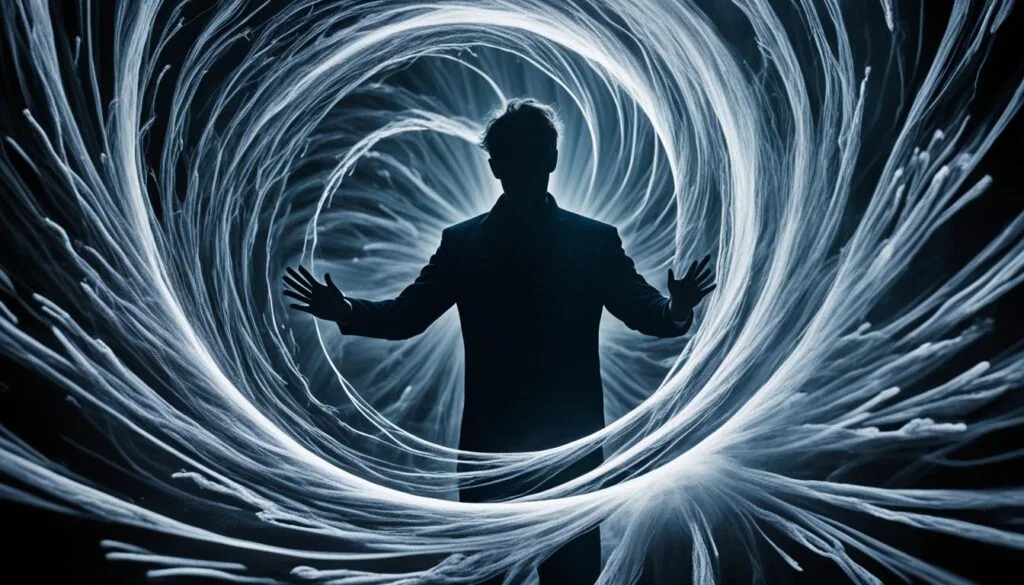
For years, we have been told to “stay positive”, “vibrate high”, “let go of negative energy” and focus only on light, gratitude and good vibes. Social media was flooded with inspirational quotes, sunrise yoga routines, pastel-colored affirmations and manifestation boards. It was the age of toxic positivity, even if nobody dared to call it that.
In 2025, something radically different is happening. Instead of hiding their pain, their rage, their jealousy and their grief, people are bringing these emotions to the surface. They are not ashamed of their darkness anymore. In fact, they are exploring it, talking about it, building aesthetics around it and using it as fuel for self-understanding and transformation.
This cultural shift has a name: the Shadow Self Era. It is a global movement, especially visible among younger generations, where people are no longer trying to be perfectly “good” or emotionally clean. They want to be real, complex, intense and whole.
This article explores what the Shadow Self Era actually is, where it comes from, why it is exploding right now, and how embracing your own dark side can become one of the most powerful acts of self-acceptance and growth you will ever experience.
What Is the Shadow Self?
The idea of the “shadow self” comes from the work of Swiss psychiatrist Carl Jung. According to Jung, every human being has a side of their personality that is hidden, repressed or denied. This side is not necessarily evil, but it is made up of traits, impulses and emotions that we have learned to consider “unacceptable” or “ugly”.
The shadow can include:
- anger and aggression
- jealousy and envy
- sexual desire and taboo fantasies
- ego, ambition and hunger for power
- manipulation, control or dominance
- fear, insecurity and feelings of inadequacy
- resentment, bitterness and hatred
- sadness, despair and emotional chaos
In most societies, we are taught to hide these traits. We are told “don’t be jealous”, “don’t be angry”, “don’t be selfish”, “don’t be too much”. As a result, we push these parts of ourselves into the unconscious. They do not disappear; they simply operate from the shadows, influencing our behavior without our awareness.
The Shadow Self Era is what happens when millions of people, across cultures and online platforms, start to consciously explore, express and integrate these hidden aspects instead of pretending they do not exist.
Shadow Work Versus the Shadow Self Era
Shadow work is usually a private psychological or spiritual practice: journaling, therapy, meditation, inner child healing and other tools used to explore repressed emotions. The Shadow Self Era is bigger. It is not limited to personal growth communities. It is becoming a mainstream cultural pattern that shows up in:
- social media trends and viral audio clips
- aesthetic movements like the dark feminine and the villain era
- music, fashion and visual art
- therapy language and mental health content
- the way people talk about relationships, boundaries and identity
In other words, it is not just individual shadow work. It is a collective, visible, aesthetic and psychological movement.
Why the Shadow Self Era Is Emerging in 2025
The Shadow Self Era did not appear out of nowhere. It is the result of several overlapping forces: emotional burnout, disappointment with false positivity, social media saturation, economic pressure and a generational hunger for truth.
1. Exhaustion With Toxic Positivity
Over the last decade, wellness culture became increasingly commercial and superficial. Happiness was marketed as a product, and any emotion that did not fit the narrative of “love and light” was dismissed as low vibration, negative or spiritually immature. People started to feel guilty not only for suffering, but even for having normal human emotions like anger or sadness.
By 2025, many are completely exhausted with this pressure to be constantly okay. They no longer want to pretend that everything is fine when it is not. The Shadow Self Era is a reaction to this spiritual and emotional suppression: it says, “I am tired of pretending to be light. I want to embrace my darkness too.”
2. Gen Z’s Obsession With Authenticity
Younger generations, especially Gen Z, place an enormous value on authenticity. They have grown up with social media, filters and influencers, and they know exactly how fake things can look online. For them, perfection is suspicious. Realness is attractive—even when it is messy.
This is why content that shows emotional breakdowns, shadow confessions, dark humor and unapologetic intensity often goes viral. Gen Z does not want a sanitized personality; they want to see the full, unedited version. The Shadow Self Era fits perfectly into this value system: it is radical honesty about the parts of us that are not polished or optimized for likes.
3. Social Media as a Mirror of the Unconscious
Social media acts like a global mirror. Whatever the collective is feeling eventually shows up on screens. For years, people tried to maintain an image of stability and success online. But as mental health crises, loneliness and anxiety increased, the gap between the curated image and inner reality became unbearable.
In the Shadow Self Era, that gap is closing. People are posting their breakdowns, talking about intrusive thoughts, admitting to jealousy, rage and obsession. They are not doing it to be dramatic (even if it sometimes looks that way); they are doing it because hiding these feelings hurts more than showing them.
4. Emotional Burnout and Global Uncertainty
Economic instability, climate anxiety, political polarization, pandemics and chronic stress have created an emotional environment where “keeping it together” feels almost impossible. Many people are burnt out from trying to remain calm in a world that feels chaotic.
In that context, the Shadow Self Era becomes a form of psychological honesty. Instead of forcing themselves to be peaceful in an unstable reality, people are acknowledging their fear, anger and confusion—and allowing those emotions to be seen.
The Psychology Behind Embracing the Shadow
Jung believed that ignoring the shadow makes it more dangerous. What we refuse to see in ourselves often gets projected onto others: we judge, criticize or hate what we unconsciously recognize but cannot tolerate within.
Embracing the shadow does not mean acting on every impulse or glorifying harmful behavior. It means bringing awareness to these impulses so they can be transformed instead of secretly driving our lives.
Integration Versus Suppression
When emotions like anger, envy or desire are suppressed, they tend to come out sideways through:
- passive-aggressive communication
- self-sabotaging habits
- unexplained emotional outbursts
- toxic relationship patterns
- addictions and compulsions
Integration works differently. Instead of saying “I should never feel jealous,” someone practicing shadow integration might say: “My jealousy is telling me what I value and what I fear losing. How can I respond honestly without attacking anyone?” The emotion is not denied; it is decoded.
From Good Person to Whole Person
Many people have been raised with the goal of being a “good person”: kind, polite, calm, generous, selfless. While there is nothing wrong with these traits, they often come at the cost of self-denial. People neglect their needs, silence their desires and tolerate situations that are unfair, just to preserve the identity of being “nice”.
The Shadow Self Era invites a different goal: not to be good, but to be whole. A whole person is capable of compassion and rage, generosity and boundaries, vulnerability and power. They are not defined by one emotion; they are able to hold many.
Emotional Intelligence Includes the Dark Side
True emotional intelligence is not about staying calm at all costs. It includes the ability to recognize, name and work with:
- anger as a signal that something is not okay
- jealousy as a sign of fear, desire or insecurity
- envy as information about what we secretly want
- sadness as a natural response to loss
- resentment as a consequence of unresolved boundaries
By giving these emotions space, we can respond to them intentionally instead of letting them explode unconsciously.
The Shadow Self Era on Social Media
The internet has become the main stage where the Shadow Self Era performs itself. TikTok, Instagram, X (Twitter) and other platforms are full of content that would have been considered “too dark”, “too intense” or “too negative” just a few years ago.
“Villain Era” and “Unhinged” Content
The phrase “villain era” went viral as a playful, dramatic label for people who stop people-pleasing and start making decisions based on their own needs. In many videos, creators jokingly describe themselves as the villain simply because they finally set boundaries or stopped tolerating disrespect.
Similarly, “unhinged” content—crying on camera, screaming into the void, confessing intrusive thoughts—has become part of the new normal. While some of it is obviously exaggerated for entertainment, a significant portion reflects real emotional release and the desire to be seen in a state that is not curated or controlled.
Dark Feminine and Emotional Power
The rise of the dark feminine archetype is closely linked to the Shadow Self Era. Dark feminine content emphasizes traits such as:
- mystery and magnetism
- emotional depth and intensity
- seduction and erotic power
- strong boundaries and self-respect
- a willingness to be misunderstood rather than small
This archetype gives many women a framework to reclaim parts of their personality they were taught to suppress: rage, desire, assertiveness and ambition. The message is clear: you do not have to be sweet and soft to be worthy.
Memes as Shadow Language
Even internet humor has become a form of shadow expression. Memes about jealousy, anxiety, obsession, depressive episodes and emotional chaos allow people to admit their darker emotions in a way that feels safe and relatable. Laughter makes the shadow more approachable.
The Shadow Self in Relationships
Relationships are one of the most powerful mirrors for the shadow. We often discover parts of ourselves we did not know existed when we fall in love, feel rejected or experience betrayal. The Shadow Self Era is changing how people approach dating, breakups and intimacy.
Radical Honesty About Attachment
More and more people are talking about attachment styles, abandonment wounds, fear of intimacy and emotional triggers. Instead of pretending to be “chill” and unaffected, they admit:
- “I get anxious when you don’t reply.”
- “I am jealous of your ex.”
- “I have a tendency to pull away when I feel too close.”
- “I am scared you will leave if I show you how intense I really am.”
This kind of honesty is pure shadow work in action—and it can deepen intimacy when handled responsibly.
Ending People-Pleasing Behavior
People-pleasing is often seen as a positive trait, but it usually hides fear: fear of rejection, fear of conflict, fear of not being loved. In the Shadow Self Era, many are recognizing that constantly pleasing others is a form of self-abandonment.
Embracing the shadow means allowing yourself to disappoint others sometimes, to say “no”, to express what you truly want even if it creates tension. This is not cruelty; it is self-respect.
Owning Your “Red Flags”
Another interesting consequence of this era is the way people talk about their “red flags”. Instead of pretending to have none, many openly admit:
- “I overthink everything.”
- “I get jealous easily.”
- “I shut down when I feel hurt.”
- “I test people to see if they really care.”
While this can become a joke or a trend, it also reflects a growing acceptance that everyone has patterns that come from unresolved pain—and that these patterns can be faced and changed rather than denied.
The Dark Aesthetic: How the Shadow Self Shows Up Visually
The Shadow Self Era is not only psychological; it is also highly aesthetic. Fashion, makeup and visual storytelling are powerful tools for embodying the dark side in a conscious way.
Fashion and Style
Dark, gothic and alternative styles are resurging with new meaning. Black clothing, leather, lace, corsets, heavy boots and silver jewelry are not just trends; they are visual symbols of depth, mystery and unapologetic intensity.
Many people use fashion to create a character that represents their shadow: a version of themselves that is bolder, more seductive, less afraid of judgment. It is not about hiding behind a costume; it is about amplifying traits that usually stay repressed.
Beauty and Makeup
In beauty, the shift away from soft, minimal, “no-makeup makeup” looks is obvious. Dark eyeliner, smudged eyeshadow, bold lips, sharp contours and dramatic contrasts are on the rise. Imperfection is allowed: makeup can be messy, undone, emotional.
Photography and Visual Storytelling
Visually, the Shadow Self Era favors:
- high contrast and strong shadows
- grainy textures and analog aesthetics
- blurry or off-center shots
- expressive, intense facial expressions
- symbolic imagery like mirrors, smoke, darkness and reflections
All of this supports the same core idea: we are no longer trying to appear bright and harmless. We are learning to show the parts of us that once lived only in the dark.
Critiques and Risks of the Shadow Self Era
As with any cultural movement, the Shadow Self Era has its critics and its potential dangers. Not everyone who talks about their shadow is doing deep psychological work. Sometimes, the language of the shadow can be misused to justify harmful behavior.
Romanticizing Dysfunction
One risk is turning emotional chaos into an aesthetic. When self-destructive habits, unstable relationships or mental health crises are constantly glamorized, people may feel trapped in their pain instead of encouraged to heal it.
Using the Shadow as an Excuse
Another danger is using the concept of the shadow as a justification: “This is just my dark side, take it or leave it.” True integration does not mean proudly hurting others or refusing to reflect; it means taking responsibility for how your shadow affects yourself and the people around you.
Performative Darkness
Some online content adopts the language of the shadow without genuine self-awareness. In these cases, “darkness” becomes a brand, not a healing journey. While this is almost inevitable in a digital culture, it reinforces the importance of doing real inner work rather than only adopting the aesthetic.
How to Embrace Your Shadow Self in a Healthy Way
The Shadow Self Era can be incredibly empowering when approached with honesty and responsibility. Embracing your dark side does not require extreme behavior. It can start quietly, with small acts of self-truth.
1. Notice What You Judge in Others
Very often, what irritates or triggers us in other people reflects something we struggle to accept in ourselves. Instead of simply criticizing, ask:
“What does this behavior activate in me? Where does it come from? Have I ever done something similar?”
2. Journal Your “Unacceptable” Thoughts
Try writing without censorship about feelings you normally hide: jealousy, hatred, desire for revenge, fantasies of power, fear of failure, shameful memories. You do not have to act on any of it. Just putting it on paper can relieve pressure and bring clarity.
3. Learn the Language of Your Emotions
Instead of labeling emotions as good or bad, see them as messages.
- Anger may point to a boundary being crossed.
- Jealousy may reveal a fear of being replaced or a desire you have been denying.
- Envy may show you what you deeply want but have not allowed yourself to pursue.
- Sadness may signal a loss that needs to be honored and processed.
4. Use the Shadow for Growth, Not Destruction
Once you understand your darker impulses, you can channel them into constructive actions:
- turning anger into courageous boundary setting
- transforming jealousy into motivation to work on yourself or your relationships
- directing ambition into meaningful projects instead of secret competition
- using pain as raw material for art, writing or creative expression
5. Seek Support When Needed
Exploring the shadow can bring up deep wounds. Therapy, coaching, support groups and trusted friends can help you navigate this process safely. You do not have to face everything alone.
Conclusion: The Era of Emotional Truth
The Shadow Self Era represents a powerful shift in human consciousness. Instead of striving to be perfectly positive, perfectly healed or perfectly spiritual, more and more people are embracing a deeper truth: we are complex. We contain light and darkness, love and rage, kindness and selfishness, courage and fear.
By bringing these hidden parts into awareness, we do not become worse. We become more honest, more grounded and more compassionate—both with ourselves and with others. The point is not to glorify the shadow, but to stop pretending it is not there.
In a world that has tried to reduce human beings to beautiful images and clean narratives, the Shadow Self Era is a quiet revolution. It says:
“I refuse to be a two-dimensional version of myself. I am allowed to be deep, dark, intense, and still worthy of love.”
That is the real power of embracing your dark side: you do not become less human. You finally become fully human.
External Sources & References
- Psychology Today – Articles on shadow work and emotional integration
- National Library of Medicine – Research on emotion regulation
- BBC Future – Features on mental health and digital culture
- International Jungian Studies – Resources on Jung’s concept of the shadow
- Harvard Business Review – Emotional intelligence and leadership
- Statista – Data on social media usage and mental health trends
- BBC Culture – Essays on modern aesthetics and identity
- American Psychological Association – Articles on emotion and personality
- Verywell Mind – Guides on shadow work and self-acceptance
- Mind – Mental health charity resources