In 2025, a new cultural phenomenon is quietly reshaping the way millions of people live, work, and express themselves: the Night Lifestyle. More than a simple preference for staying up late, this movement represents a full shift in routine, psychology, identity, and community.
From freelancers working globally across time zones to women embracing the dark feminine aesthetic, from creatives who find clarity in silence to people tired of daytime overstimulation — the world after midnight has become a sanctuary.
Night is no longer just the end of the day. It is becoming a parallel reality — calmer, deeper, and strangely empowering.
Some call it escapism. Others call it productivity. Many call it freedom.
After midnight, a new world is waking up.
What Is the Night Lifestyle?
Definition
The Night Lifestyle refers to a modern way of living where personal routines — work, creativity, social activities, self-care — primarily happen between 11 p.m. and 6 a.m.. It is not accidental insomnia or occasional late nights. It is a deliberate life structure.
Night Owls vs. the Night Lifestyle
People have stayed up late forever, but the 2025 Night Lifestyle is different. It is:
- structured, not chaotic
- intentional, not accidental
- supported by remote work culture
- rooted in emotional and psychological needs
- linked to identity, aesthetics, and lifestyle choices
Why It’s Not “Just Sleeping Late”
The Night Lifestyle is often accompanied by:
- nighttime productivity rituals
- deep work in noise-free hours
- solitary creativity
- aesthetic expression (goth, cyber, dark luxe)
- self-regulation from overstimulation
- a sense of emotional safety that daylight doesn’t provide
The Global Shift Toward Life After Midnight
There are four major forces pushing millions toward a night-centered routine:
1. Social Overstimulation
Modern cities are louder, busier, and more overwhelming than ever. Many people report feeling drained by constant interaction, traffic, noise, and sensory pressure. Night offers a form of psychological silence.
2. Remote Work and Asynchronous Jobs
Since 2022, remote work has grown exponentially. In 2025, companies hire globally, and people work across continents. Working at 2 a.m. is normal when your team is in Los Angeles, Dubai, or Tokyo.
3. Technology That Never Sleeps
AI tools, automation, and 24/7 platforms have made productivity independent of time. You can edit videos, code, design, manage clients or run businesses completely outside the 9–5 model.
4. Psychological Patterns
Therapists report that many people feel calmer at night because:
- there are fewer expectations
- social pressure disappears
- the mind feels “invisible” and safe
- internal creativity flows naturally
Who Is Adopting the Night Lifestyle?
Remote Workers and Freelancers
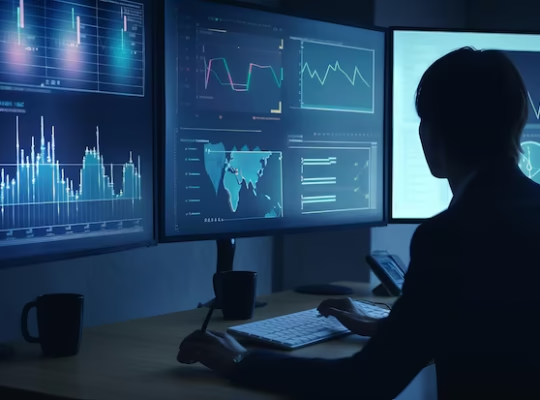
People who work in tech, design, customer support, trading, and digital services often operate on flexible schedules. For them, nighttime becomes prime productivity time.
Creatives and Artists
Creatives historically thrive at night. In 2025, this has accelerated thanks to AI tools, digital platforms, and silent nighttime inspiration.
Former “Gifted Kids” Avoiding Daytime Pressure
A new psychological trend shows that many high-performing young adults feel a sense of failure performance anxiety during daylight hours. Night gives them permission to exist without pressure.
Women in the Dark Feminine Movement
The dark feminine aesthetic — sensual, mysterious, introspective, magnetic — peaks naturally during nighttime hours. This movement is huge on TikTok and aligns perfectly with the Night Lifestyle.
Gamers, Traders, Crypto Investors
Markets and platforms operate globally. Night is simply their world.
People With Sensory Sensitivity or Anxiety
Night offers a calmer environment, lower sensory input, and greater emotional grounding.
The Benefits of Living at Night
Psychological Clarity
Night removes distractions, noise, chaos and demands. Your mind enters a state of deep focus and clarity rarely accessible during daytime.
Feeling Invisible but in Control
Many people report feeling “free from the gaze of the world” at night, which boosts authenticity and emotional peace.
Less Noise = Better Productivity
With fewer interruptions, people can enter deep work mode faster and sustain it longer.
A Break From Daytime Overstimulation
Cities are increasingly unbearable during rush hours. Night feels like a personal version of the world.
Aesthetic and Emotional Confidence
People feel more attractive, more themselves, and more comfortable expressing identity at night.
Potential Health Benefits (Surprising)
When done correctly, nighttime routines can improve:
- creativity
- stress regulation
- mental clarity
- productivity rhythm
The Dark Side of the Night Lifestyle
Circadian Rhythm Impact
The body naturally prefers daytime activity. Long-term night living may require strategic sleep hygiene.
Social Isolation
Friends and partners may follow different schedules, creating tension or loneliness.
Relationship Conflicts
A mismatched circadian rhythm can cause misunderstandings in romantic relationships.
The Night Dopamine Loop
Scrolling, gaming, nightlife, or escapism can turn the Night Lifestyle into a trap if not managed consciously.
How Remote Work Is Revolutionizing Night Living
Async Culture
Companies in 2025 are increasingly async — communication happens through tools, not real-time meetings.
Cross-Time-Zone Teams
Europeans working with U.S. clients naturally shift to nighttime productivity.
The Creator Economy Never Sleeps
Creators, editors, and managers often work when platforms are quieter.
The Death of the 9–5
Experts predict that traditional schedules are becoming obsolete. Flexibility is replacing structure.
The Role of Nightlife, Clubs, and Urban Culture
The Club as a Second Home
For some, nightlife provides identity, belonging, and emotional release.
The Night Community
People who live at night often find each other — online, at clubs, in late-night cafés.
Techno & Underground Movements
Techno culture, goth culture, and experimental nightlife are tightly intertwined with the Night Lifestyle.
The Dark Feminine Connection
Confidence After Midnight
Women report feeling more mysterious, magnetic, and intuitive at night.
Nighttime Beauty Rituals
Many beauty routines are better performed at night, reinforcing the nighttime identity.
A Night-centered Aesthetic
The rise of goth, cyber, and dark luxe fashion aligns naturally with post-midnight expression.
Influence of Social Media
Tons of viral content promotes night routines, dark feminine energy, and “after midnight” lifestyles.
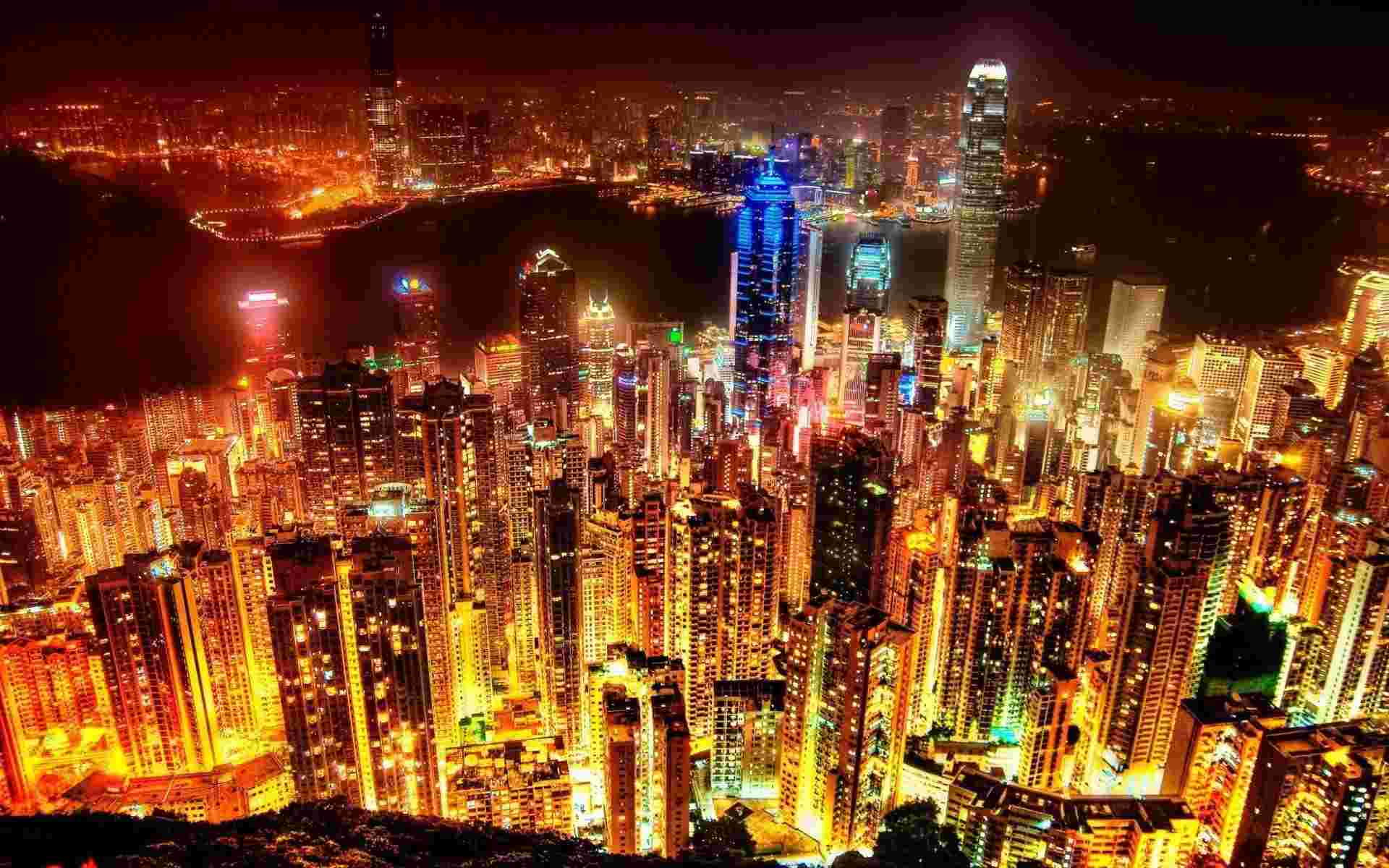
Cities Where the Night Lifestyle Is Growing Fast
Berlin
A global nightlife capital operating 72-hour weekends.
London
24-hour transport and emerging night economy.
Málaga
Surprisingly strong nightlife + remote work hub + warm climate.
Oslo
Growing community of freelancers and techno culture.
New York
The original “city that never sleeps”. Still true.
Seoul & Tokyo
Hyper-modern night culture and strong creative communities.
Is the Night Lifestyle the Future?
2026–2030 Predictions
Experts believe more people will adopt hybrid schedules or full nighttime routines due to remote work expansion.
Impact on Society
Cities may adapt and offer more 24/7 services.
24-Hour Culture
The world is moving toward a real “always on” structure.
Expert Opinions
Psychologists say the Night Lifestyle will grow, but sustainable management is key.
How to Live a Healthy Night Lifestyle (Step-by-Step Guide)
Adjust Your Sleep Cycle
Maintain a consistent sleep pattern, even if unusual.
Nutrition
Your body needs quality fuel at night: protein, complex carbs, hydration.
Work Schedule Design
Use productivity windows (1–4 a.m.) and rest during peak noise hours (12–5 p.m.).
Emotional Care
Nighttime introspection helps regulate emotions — but avoid isolation.
Maintain Social Balance
Keep some daytime interaction to avoid disconnection.
Safety Tips for Women
Plan routes, transport, and check-ins when moving at night.
Avoid Burnout
Night living is powerful but must be intentional.
Conclusion
The Night Lifestyle is not just a trend. It is a real shift in how people feel, create, connect, and live. For many, night is not the absence of daylight — it is the presence of freedom.