
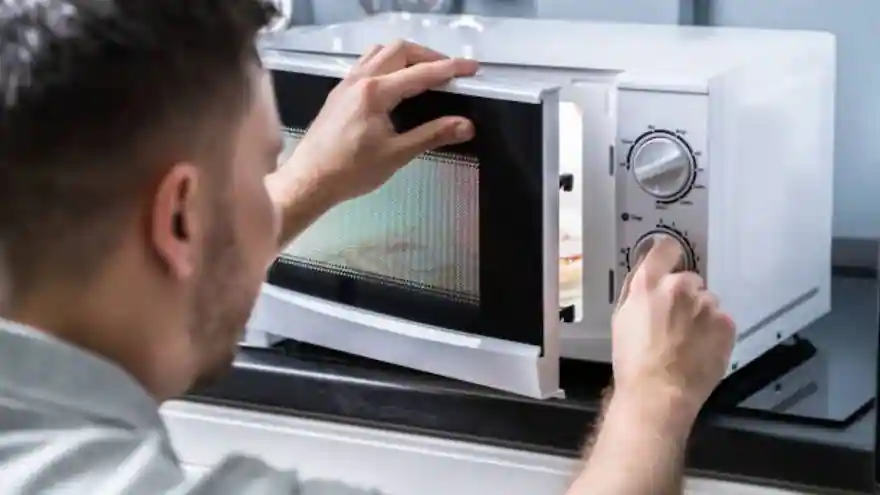
A practical look at common microwave habits that affect food quality, safety, and appliance lifespan — without most people realizing it.
Introduction: Why the Microwave Is Often Misused
Microwaves are one of the most used kitchen appliances, yet also one of the least understood.
Because they feel simple and automatic, many people use them incorrectly without ever noticing a problem.
Small daily mistakes affect food texture, heating quality, and even safety over time.
Using the Microwave Only at Full Power
One of the most common mistakes is always using maximum power.
High power heats food unevenly, especially dense or thick items.
Why Lower Power Often Works Better
Lower power settings allow heat to distribute more evenly.
This improves texture and reduces cold spots.
Not Stirring or Rearranging Food During Heating
Microwaves heat unevenly due to wave distribution.
Failing to stir or reposition food leaves some areas overheated and others cold.
Using the Wrong Containers
Not all containers are microwave-safe, even if they appear sturdy.
Some materials release chemicals or heat unevenly.
Why Container Choice Matters
Improper containers affect both food safety and heating efficiency.
Microwave-safe glass and ceramics are usually the safest options.
Covering Food Incorrectly
Leaving food uncovered causes moisture loss and uneven heating.
Overly tight covers, however, trap steam and cause splattering.
Heating Large Portions All at Once
Large portions heat unevenly in microwaves.
The outside may overheat while the inside remains cold.
Why Microwave Food Often Feels Dry or Rubbery
Excessive heat removes moisture rapidly.
Incorrect power settings worsen this effect.
Reheating Food Incorrectly
Reheating leftovers is one of the most common uses of the microwave.
Incorrect reheating affects taste, texture, and food safety.
Heating Food for Too Long at Once
Long heating times dry out food and create hot spots.
Short intervals with pauses allow heat to spread evenly.
Not Letting Food Rest After Heating
Microwaved food continues to heat internally even after the microwave stops.
Resting improves temperature balance and safety.
Defrosting Food the Wrong Way
Defrosting is often rushed, leading to uneven thawing.
This causes partially cooked edges and cold centers.
Why Defrost Settings Matter
Defrost modes use lower power cycles.
This prevents accidental cooking during thawing.
Defrosting Large Items Whole
Large frozen portions defrost unevenly.
Breaking food into smaller pieces improves results.
Ignoring Food Shape and Thickness
Thickness affects how microwaves penetrate food.
Uneven shapes heat unpredictably.
Why Flat, Even Portions Heat Better
Flat shapes allow more uniform heating.
Piling food in the center creates cold spots.
Microwave Safety Myths
Many safety concerns come from misunderstanding how microwaves work.
Myth: Microwaves Destroy All Nutrients
Short cooking times often preserve nutrients better than long stovetop cooking.
Myth: Microwaves Cook Food From the Inside Out
Microwaves heat food by agitating water molecules, not from the center outward.
Not Cleaning the Microwave Regularly
Food splatters absorb microwave energy.
Dirty interiors reduce heating efficiency and cause odors.
Why Residue Affects Performance
Hardened food residue interferes with energy distribution.
Regular light cleaning keeps microwaves efficient.
Ignoring the Turntable or Rotating Function
The turntable ensures even exposure to microwaves.
Blocking rotation causes uneven heating.
Container Myths That Cause Microwave Problems
Many microwave issues are caused by incorrect container choices.
Some materials heat food unevenly or release unwanted substances.
Myth: All Plastic Is Microwave-Safe
Not all plastics are designed to withstand microwave heat.
Some plastics warp or release chemicals when heated.
Myth: Paper Containers Are Always Safe
Some paper products contain coatings or inks that react to heat.
Only plain, microwave-labeled paper should be used.
Why Glass and Ceramic Are Usually Better
Glass and ceramic distribute heat evenly and remain stable.
They also do not absorb odors or stains.
Moisture Control Mistakes
Microwaves remove moisture quickly.
Without moisture control, food dries out or becomes rubbery.
Heating Food Without Adding Moisture
Adding a small amount of water or covering food loosely helps retain texture.
This is especially useful for rice, pasta, and vegetables.
Overcovering Food Tightly
Completely sealed covers trap steam.
Pressure buildup can cause splattering and uneven heating.
Common Microwave Smells and Their Causes
Persistent microwave odors often come from repeated small spills.
Odors affect food taste over time.
Why Smells Come Back Even After Cleaning
Residue trapped in corners and vents continues to heat repeatedly.
Light, frequent cleaning prevents buildup.
Daily Microwave Habits That Improve Results
Small daily habits improve microwave performance more than any feature.
Habits That Make a Difference
- use appropriate power levels
- stir or rotate food midway
- choose proper containers
- clean splatters immediately
Consistency improves heating quality.
Why Microwaved Food Often Feels Uneven
Uneven heating is caused by wave patterns, not appliance defects.
Technique matters more than settings.
Preventing Microwave Problems Before They Start
Preventive habits reduce frustration and improve food quality.
Understanding the appliance leads to better results.
Why Microwave Problems Keep Happening
Many people feel that microwaves dry food out, heat unevenly, or give poor results.
These issues usually repeat because basic usage habits never change.
Small daily mistakes affect results more than the appliance itself.
A Simple Microwave Use Checklist
This checklist helps improve microwave performance without buying a new device.
- use appropriate power levels
- heat food in short intervals
- stir or rotate food during heating
- use microwave-safe containers only
- cover food loosely to retain moisture
- let food rest after heating
- clean spills immediately
These steps improve texture, safety, and consistency.
Frequently Asked Questions
Is it bad to use the microwave at full power?
Full power is useful for some foods, but many items heat better at lower settings.
Why does food feel dry after microwaving?
Excessive heat removes moisture quickly, especially without proper covering.
Are microwaves unsafe for food?
Microwaves are safe when used with proper containers and techniques.
Why does food heat unevenly?
Uneven heating is caused by wave patterns and food shape, not defects.
How often should a microwave be cleaned?
Light cleaning after spills and regular maintenance prevent odors and buildup.
Conclusion: Better Microwave Results Come From Better Habits
Microwaves are efficient tools when used correctly.
Understanding simple mistakes improves food quality without extra effort.
Small adjustments transform daily microwave use into a reliable cooking method.