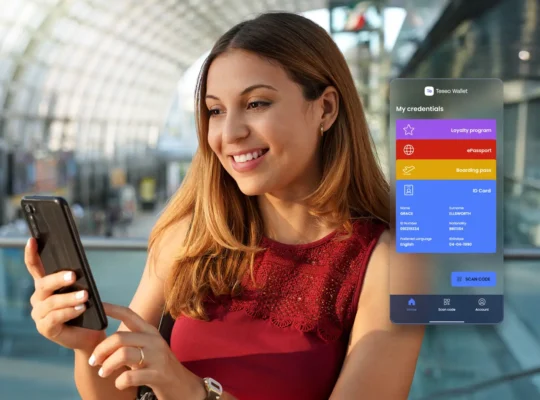

A new email. A DM. A WhatsApp ping. A Slack tag. A banking alert. A “breaking news” banner. For most people in 2025, the workday is not one continuous block of focus — it’s a thousand tiny interruptions.
We talk a lot about burnout, hustle culture and the pressure to be “always on”. But one of the biggest drivers of mental exhaustion is much smaller and simpler: notifications.
Every buzz, banner and red dot seems harmless. Together, they create a second, invisible job: monitoring incoming alerts, deciding what to respond to, ignoring the rest, and constantly re-starting whatever you were doing before you were interrupted.
This invisible notification workload is quietly destroying productivity, attention and mental health — at work, at home, at school and even while we sleep.
This article explores how many notifications people actually get, what they do to the brain, why they make deep work almost impossible, and how you can redesign your notification environment before it burns you out.
How Many Notifications Are We Really Getting?
Most people massively underestimate how often their devices interrupt them.
Think of a “normal” day:
- work chats and emails
- personal messages and group chats
- social media likes, comments and mentions
- news updates
- banking and shopping alerts
- app reminders, calendar popups, system updates
Each one seems like “just one notification”. But they add up quickly — to dozens, sometimes hundreds per day.
The Constant Ping Environment
Research in the 2020s has shown that:
- smartphone users regularly receive dozens of push notifications per day
- teens and heavy users can receive well over 200 notifications daily
- a large share of those pings arrive during work or school hours
Even if each alert only steals a few seconds, the real damage is not the time you spend looking — it’s the time your brain needs to recover focus afterwards.
Why Notifications Feel So Important (Even When They Aren’t)
If notifications are such a problem, why don’t we just turn them off?
Because our brains are wired to treat new information like a potential threat or opportunity. A flashing banner saying “new message” or “breaking news” triggers a tiny spike of alertness:
- What if it’s urgent?
- What if I miss something important?
- What if someone needs me?
This is not weakness — it’s biology. For thousands of years, survival meant reacting fast to new signals in the environment. In 2025, we’ve outsourced that “signal system” to our phones.
Dopamine and the Micro-Reward Loop
Many notifications are not just information — they are rewards:
- a like on a post
- a message from someone you like
- a sale confirmation
- a streak you kept alive
This activates the brain’s dopamine system. Over time, we start to crave the next ping, even if we consciously say we’re “overwhelmed by our phone”.
The result is a paradox: notifications exhaust us, but turning them off makes us anxious.
The True Cost of Interruptions
Most people treat notifications as small distractions. The science says they are much more than that.
Every interruption has three stages:
- your attention is pulled away
- your brain rapidly switches context
- you try to return to what you were doing
That last step is where productivity dies.
Context Switching Tax
The brain is not designed to constantly jump between tasks. When you switch from:
- writing to checking a message
- coding to reading an email
- studying to replying on WhatsApp
…you pay a cognitive tax each time. It takes minutes — sometimes longer — to regain the same depth of focus you had before.
Multiply that by:
- 20 notifications
- 50 notifications
- 100+ notifications
and you can see why so many people end their day feeling like they were “busy all day” but didn’t really get anything meaningful done.
Notification Stress and Cognitive Overload
Studies on push notifications and attention show that frequent alerts:
- increase stress and perceived pressure
- make complex tasks feel harder
- reduce accuracy and performance, especially in people who already overuse their phones
In other words, notifications don’t just take time — they lower the quality of the time you have left.
Ping Fatigue: The New Workplace Burnout
In 2025, a new phrase is appearing in research and HR vocabulary: ping fatigue.
Ping fatigue is the mental exhaustion caused by endless digital alerts at work:
- Slack messages
- Teams mentions
- emails popping up in real time
- project management notifications
- calendar changes and reminders
Workers describe it as:
- “never feeling caught up”
- “being on call 24/7 without being a doctor”
- “someone knocking on your brain every two minutes”
Always-On Culture
Many companies unconsciously reward instant replies:
- the teammate who answers at midnight is seen as “committed”
- people who mute chats are seen as “disengaged”
- emails sent late at night quietly set the expectation of constant availability
The result is a culture where:
- people keep work apps on their personal phones
- phones are checked during meals, family time and even in bed
- real rest becomes rare
Over time, this leads to burnout — not because the job itself is impossible, but because the way we do it is mentally unsustainable.
Notifications at Night: Sleep, Anxiety and the 3 AM Check
One of the most damaging aspects of notification culture is how far into the night it reaches.
Many people:
- sleep with their phone next to their face
- wake up and immediately check messages or news
- get late-night alerts from global teams or group chats
- receive app notifications at 2 or 3 AM
Sleep Fragmentation
Even if you don’t wake up fully, vibration or light from the screen can fragment your sleep. You may not remember waking up, but your sleep cycles are disrupted, and you wake up tired.
Morning Overload
Checking notifications the moment you wake up floods the brain with:
- information
- opinions
- requests
- urgent-looking headlines
Instead of starting the day with calm, your nervous system goes straight into alert mode. Over time, this can increase anxiety and make you feel like you are “behind” from the moment you open your eyes.
The Hidden Emotional Labor of Notifications
Notifications are not just digital — they are emotional.
Every ping can carry:
- expectations (“why haven’t you answered?”)
- conflict (a tense message)
- pressure (a deadline reminder)
- comparison (someone’s perfect photo or achievement)
Even neutral notifications add subtle emotional weight: the sense that something is always waiting, that you always “owe” someone a reaction, that you are never fully done.
Responsiveness as a Measure of Worth
In many social and work environments, people are judged on how fast they respond:
- “She hasn’t replied in two hours, is she mad?”
- “He saw my message but didn’t answer.”
- “My manager pinged me 10 minutes ago. I have to reply.”
This transforms notifications into tiny emotional hooks — each one pulling a bit of mental energy away from whatever you were doing.
Why Turning Everything Off Feels Impossible
Many people know that notifications are ruining their focus. But when they try to disable them, they quickly hit walls:
- Fear of missing out: “What if someone needs me?”
- Work expectations: “My boss expects an instant reply.”
- Social pressure: “My friends will get annoyed if I ‘ignore’ them.”
- Habit: reaching for the phone without even thinking.
It’s not enough to say “just turn them off” — we need smarter, realistic strategies.
How to Reclaim Your Focus Without Disappearing From the World
You don’t need to throw your phone in the ocean. You need to design how it talks to you.
1. Separate “Signal” From “Noise”
First, decide what truly deserves your immediate attention. For most people, “signal” is:
- calls or messages from close family or partner
- critical work alerts (if your role genuinely requires it)
- emergency notifications (bank, security, health, etc.)
Everything else is noise — important maybe, but not urgent.
On your phone:
- keep real-time notifications only for signal
- turn off banners and sounds for almost everything else
- set apps like social media, shopping, news and games to “no notifications” or “silent”
2. Create Notification Windows
Instead of letting notifications interrupt you whenever they want, flip the dynamic:
- choose two or three specific times to check email
- batch your messaging replies (for example, every 90 minutes)
- set clear “no-notification” blocks for deep work
You are not being rude — you are protecting your ability to deliver real results.
3. Use “Do Not Disturb” Intentionally
Most devices now have advanced focus modes. Use them:
- Deep work mode: only allow calls from favorites and calendar alerts.
- Evening mode: silence work apps after a certain hour.
- Sleep mode: no notifications at all, except real emergencies.
4. Turn Off Lock-Screen Previews
You don’t always need to know who messaged you and what they said the second it arrives.
Hiding message previews reduces the emotional pull of notifications. The phone still alerts you, but it doesn’t drag you straight into the drama.
5. Remove Red Badges From Your Home Screen
Those little red numbers (47 unread messages, 1,240 unread emails…) are not helpful — they are anxiety generators.
Disable badges for anything that isn’t mission-critical. Your nervous system will thank you.
6. Normalize Slower Replies
Part of the notification crisis is cultural. You can be part of the solution by:
- telling friends: “I’m trying to be more offline; I may take longer to reply.”
- setting expectations with colleagues: “I check email at these times.”
- not demanding instant replies from others
Every time you accept slower communication, you weaken the “always-on” norm — for yourself and for others.
7. Experiment With a 24-Hour Notification Detox
Try one full day with:
- no social media notifications
- no email alerts
- messaging apps on manual check only
Many people report feeling:
- more productive
- less distracted
- mentally calmer
Yes, you may also feel a bit anxious or “disconnected” at first — that’s a sign of how strong the habit had become.
Designing a Life With Fewer Pings and More Presence
Notifications are not evil by themselves. Emergencies, reminders, and some updates are useful.
The problem is that we’ve allowed every app, every platform and every company to compete for our nervous system — all day, every day, for free.
Reclaiming your focus starts with a simple shift:
- notifications should serve you, not the other way around.
If your phone constantly:
- pulls you away from your work
- disrupts your rest
- fills your head with other people’s priorities
…then it’s not just a tool. It has become a manager — and not a very kind one.
In 2025, protecting your attention is not a luxury. It is an act of self-respect.
Your brain was not built for hundreds of pings a day. But it is capable of deep focus, creativity and calm — if you give it the silence it needs.
External Sources & References
- Common Sense Media & University of Michigan – Teen smartphone use and ~240 notifications per day.
- Business of Apps & other analytics – Average adult smartphone users receiving dozens of push alerts daily.
- Kim, S.K. et al. – Studies linking push notifications to decreased task performance and cognitive strain.
- Pielot, M. & Rello, L. – “24 hours without push notifications”: higher productivity, less distraction.
- Recent workplace research on “ping fatigue” and always-on culture reducing productivity and increasing stress.