
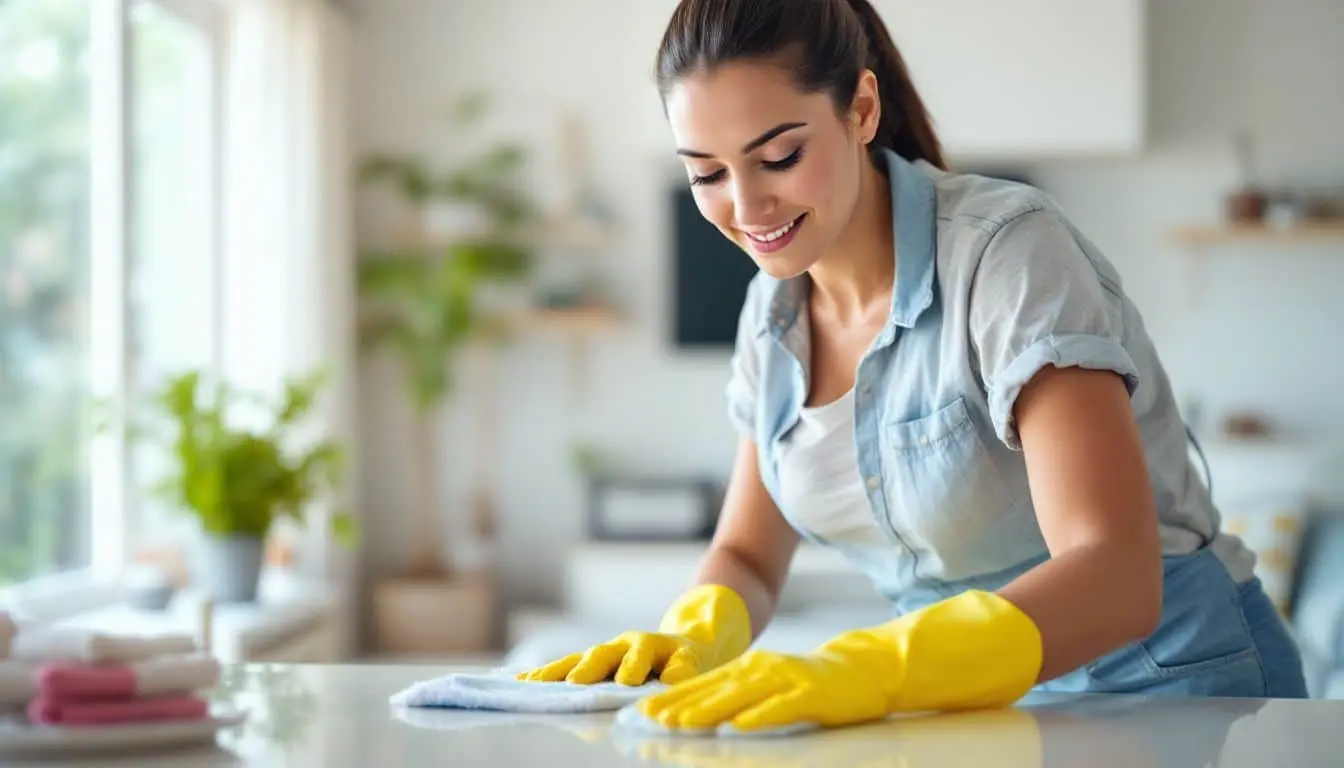
A practical guide to common cleaning mistakes people make every day without realizing they are spreading dirt instead of removing it.
Introduction: Why Cleaning Sometimes Doesn’t Work
Many people clean their homes regularly yet still feel that things never look truly clean. Dust returns quickly, surfaces feel sticky, and bathrooms lose freshness fast.
In most cases, the problem is not lack of cleaning, but cleaning incorrectly. Small mistakes can cancel out effort and even make a home dirtier over time.
Understanding these mistakes helps cleaning become more effective without extra work.
Cleaning Too Quickly
One of the most common mistakes is rushing through cleaning tasks.
Cleaning products need time to work. Wiping surfaces immediately often spreads dirt rather than removing it.
Why Letting Products Sit Matters
Most cleaners are designed to break down grease and bacteria.
Allowing a short waiting time improves effectiveness significantly.
Using Dirty Cleaning Cloths
Reusing dirty cloths or sponges spreads bacteria and grime across surfaces.
This creates the illusion of cleaning without actually removing dirt.
How Often Cloths Should Be Changed
- cloths: change daily or after heavy use
- sponges: replace frequently
- mops: wash after each use
Clean tools are essential for effective cleaning.
Using Too Much Cleaning Product
More product does not mean more cleanliness.
Excess cleaner leaves residue, which attracts dust and dirt.
This makes surfaces feel sticky faster.
Skipping High-Touch Areas
High-touch areas collect bacteria more quickly than visible surfaces.
These areas are often overlooked during routine cleaning.
Commonly Forgotten High-Touch Surfaces
- light switches
- door handles
- remote controls
- cabinet handles
Cleaning these areas improves overall hygiene.
Cleaning in the Wrong Order
Cleaning order affects results. Starting from the wrong place causes dirt to resettle.
Top-to-bottom cleaning prevents rework.
Why Dusting Before Vacuuming Matters
Dusting after vacuuming sends particles back to the floor.
Correct order saves time and improves cleanliness.
Bathroom Cleaning Mistakes That Spread Germs
Bathrooms require special attention because moisture creates an ideal environment for bacteria and mold.
Many bathroom cleaning habits unintentionally spread germs instead of removing them.
Cleaning the Toilet Last
Cleaning the toilet at the end increases the risk of spreading bacteria to other bathroom surfaces.
The toilet should be cleaned first, using separate tools.
Using the Same Cloth for Multiple Surfaces
Using one cloth for sink, toilet, and shower transfers bacteria.
Assigning different cloths to different areas improves hygiene significantly.
Kitchen Cleaning Mistakes That Attract Dirt
Kitchens accumulate grease and food residue that require proper cleaning methods.
Incorrect techniques cause buildup rather than cleanliness.
Not Cleaning Kitchen Sponges Properly
Sponges are one of the dirtiest items in most homes.
Using them for too long spreads bacteria onto dishes and surfaces.
How to Keep Sponges Cleaner
- replace sponges regularly
- allow them to dry completely
- do not use them on floors or trash bins
Ignoring Grease Buildup
Grease attracts dust and creates sticky surfaces.
Light, regular cleaning prevents heavy buildup.
Dangerous Mistake: Mixing Cleaning Products
Mixing certain cleaning products creates toxic fumes.
This is one of the most serious cleaning mistakes.
Products That Should Never Be Mixed
- bleach and ammonia
- bleach and vinegar
- different drain cleaners
Always read labels carefully.
Vacuuming Mistakes That Reduce Effectiveness
Vacuuming seems simple, but technique matters.
Vacuuming Too Fast
Moving the vacuum too quickly prevents proper dirt removal.
Slow, overlapping passes work better.
Not Emptying the Vacuum Regularly
Full vacuum bags or containers reduce suction power.
Emptying them regularly improves performance.
Laundry Mistakes That Keep Clothes Dirty
Laundry errors can make clothes smell unpleasant even after washing.
Using Too Much Detergent
Excess detergent traps dirt in fabric fibers.
Using the recommended amount cleans better.
Overloading the Washing Machine
Overloaded machines prevent proper water circulation.
This leads to poorly cleaned clothes.
Cleaning Myths That Actually Make Homes Dirtier
Many cleaning habits are passed down without questioning whether they are effective. Some common beliefs actually worsen cleanliness.
Myth: Cleaning Every Day Keeps the House Clean
Cleaning too frequently without proper technique can spread dirt rather than remove it.
Effective cleaning depends on method, not frequency alone.
Myth: Strong Smell Means Better Cleaning
Strong fragrance does not indicate cleanliness.
Many scented products mask dirt instead of removing it.
Myth: One Cleaner Works for Everything
Different surfaces require different cleaning approaches.
Using the wrong product can damage surfaces and reduce cleanliness.
Daily Habits That Keep Homes Cleaner Longer
Small daily habits reduce the need for deep cleaning.
Prevention is more effective than constant cleaning.
Simple Daily Cleaning Habits
- wipe spills immediately
- remove shoes indoors
- air rooms daily
- return items to their place
These habits limit dirt buildup.
Why Air Circulation Matters
Poor air circulation increases dust and moisture buildup.
Regular ventilation improves cleanliness and freshness.
Quick Fixes for Common Cleaning Problems
Some issues require immediate small adjustments rather than full cleaning sessions.
If Dust Comes Back Too Fast
- change or wash cloths more often
- reduce product residue
- check air filters
If Surfaces Feel Sticky After Cleaning
Sticky surfaces are usually caused by excess product.
Rinsing lightly with water often solves the problem.
If Bathrooms Smell Despite Cleaning
Lingering odors often come from drains, fabric items, or humidity.
Addressing the source is more effective than masking smells.
Preventing Dirt Instead of Fighting It
Preventive strategies reduce cleaning effort significantly.
Small adjustments create long-term benefits.
Simple Prevention Strategies
- use doormats at entrances
- clean tools after use
- store cleaning products properly
- avoid unnecessary clutter
Prevention supports lasting cleanliness.
Why Cleaning Smarter Matters More Than Cleaning More
Cleaning smarter reduces effort and frustration.
Correct habits maintain cleanliness longer with less work.
Why Cleaning Feels Endless for Many People
Many households feel stuck in a constant cycle of cleaning without lasting results.
This usually happens because effort is focused on visible dirt rather than underlying habits.
Correcting small mistakes produces better long-term cleanliness.
A Simple Home Cleaning Checklist
This checklist helps ensure cleaning efforts actually work instead of spreading dirt.
- use clean cloths and tools
- apply the correct amount of product
- clean from top to bottom
- allow products time to work
- focus on high-touch surfaces
- ventilate rooms regularly
Following these steps reduces repeat cleaning.
Frequently Asked Questions
Why does my house get dirty so quickly?
Dirt often returns quickly due to residue, dirty tools, and skipped high-touch areas.
Is it bad to clean every day?
Cleaning too frequently without proper methods can be counterproductive.
Do I need many cleaning products?
No. A few effective products used correctly are sufficient.
Why do surfaces feel sticky after cleaning?
This is usually caused by excess cleaning product residue.
What is the most important cleaning habit?
Using clean tools and cleaning in the correct order.
Conclusion: Clean Smarter, Not Harder
A clean home is not the result of constant effort, but of effective habits.
Avoiding common mistakes allows cleaning to last longer and feel less exhausting.
When cleaning works properly, homes stay fresher with less work.