TikTok is not just a social media app. It is the most powerful neuro-engineering machine ever released to the general public. What began as a platform for short videos has quietly grown into a system that shapes identity, attention, memory, reward processing, social behavior and emotional regulation — especially among younger generations.
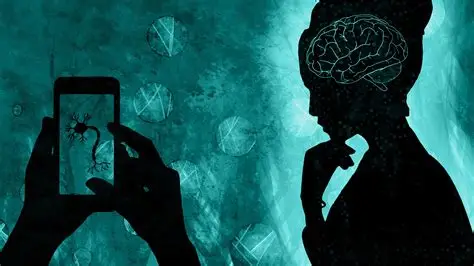
In 2025, psychologists, neuroscientists and digital culture experts refer to this phenomenon as “NeuroTikTok”: the neurological impact of TikTok’s algorithmic design on the human brain.
This article explores how TikTok rewires the mind at the deepest levels, why it is more influential than any platform in history, and what this transformation means for culture, cognition and the future of human behavior.
Why TikTok Is Different From Every Platform Before It
TikTok was built using the most addictive combination of design principles:
- infinite scroll
- ultra-personalized algorithmic curation
- hyper-short content optimized for dopamine spikes
- rapid novelty exposure
- reward prediction mechanisms
- feedback loops that adapt in real time
While Instagram and Facebook rely on social connections, TikTok relies on neural optimization. It doesn’t show you what your friends like — it shows you exactly what your brain responds to.
This makes TikTok the first platform that feels like the user’s mind is being read — because in many ways, it is.
1. TikTok and the Brain’s Reward System
TikTok is designed to stimulate the brain’s reward pathway with unprecedented precision. Each swipe activates a mini “dopamine lottery” — you don’t know if the next video will be funny, shocking, emotional, sexy, inspiring or relatable. This unpredictability is what makes the platform neurologically irresistible.
The Dopamine Loop
The cycle looks like this:
- anticipation
- novelty
- reward
- swipe
- repeat
Within minutes, the brain associates scrolling with instant gratification, creating a habit loop stronger than most traditional addictions.
2. The Algorithm as a Personalized Neuroscientist
TikTok’s algorithm does not simply track your likes. It tracks:
- how long you pause
- what triggers replays
- your micro facial expressions (via camera permissions)
- your scroll speed
- your time of day usage
- what emotions you respond to
This creates a constantly learning neural mirror of the user. The more you scroll, the more the platform understands your desires, fears, insecurities, fantasies and emotional patterns.
3. Hyper-Short Content and the Collapse of Attention Spans
One of NeuroTikTok’s most significant effects is its impact on attention. Short-form content trains the brain to expect rapid stimulation, making slower activities feel effortful or boring.
Symptoms of TikTok-Induced Attention Fragmentation
- difficulty watching long videos or movies
- reduced tolerance for waiting
- jumping between apps constantly
- low focus during reading or studying
- mental restlessness when stimulation is not immediate
This phenomenon is now recognized by researchers as Short-Form Attention Syndrome.
4. Memory Rewiring: The TikTok Attention-Memory Gap
The human brain forms long-term memories by focusing deeply on information for extended periods. TikTok disrupts this by offering hundreds of micro-stimuli per session.
This leads to:
- weaker short-term memory
- difficulty recalling information
- reduced ability to retain academic or work-related material
- fragmented cognitive processing
In simple terms: the brain becomes excellent at consuming but terrible at remembering.
5. Emotional Conditioning: TikTok as a Mood Regulator
Many users unconsciously rely on TikTok to regulate their emotions. The platform becomes a coping mechanism for:
- loneliness
- stress
- anxiety
- boredom
- sadness
Over time, this can create emotional dependency.
Instead of processing feelings, the brain escapes into short bursts of entertainment — weakening emotional resilience.
6. Identity Formation: Algorithms as Personality Architects
Gen Z and Gen Alpha increasingly shape their identity based on the content they consume. TikTok determines:
- their humor style
- fashion tastes
- political views
- relationship expectations
- speech patterns
- aesthetic preferences
Identity is no longer constructed internally — it is algorithmically curated.
7. NeuroTikTok and Social Behavior
The platform influences how people behave socially:
- mirroring slang from videos
- adopting viral aesthetics
- seeking validation through content creation
- performing personality traits instead of expressing authenticity
In extreme cases, TikTok becomes a personality substitute.
8. Hyper-Stimulation and Nervous System Overload
TikTok delivers emotional whiplash:
- funny video
- political outrage
- cute animals
- aesthetic fashion
- a tragic story
- a sexualized dance
- a cooking tutorial
All within minutes.
This creates emotional fragmentation — the nervous system doesn’t know how to process rapid emotional shifts.
9. TikTok as a Collective Unconscious
Jung once theorized about the “collective unconscious”: symbols, ideas and emotions shared across society. TikTok is the algorithmic version of that — but faster, global and constantly shifting.
It shapes:
- trends
- fears
- desires
- beauty standards
- morals
In 2025, TikTok doesn’t reflect culture — it creates it.
10. Algorithmic Echo Chambers and Neural Bias
TikTok strengthens cognitive biases by repeatedly showing content that confirms a user’s worldview. Over time:
- opinions become more extreme
- nuance disappears
- people feel isolated from opposing ideas
The brain begins to live inside an algorithmic bubble.
11. TikTok and Sexual Conditioning
Because TikTok optimizes for engagement, sexually suggestive content tends to surface quickly. This can condition users — especially young ones — to associate attention with sexualization.
Long-term effects include:
- distorted self-image
- sexual validation seeking
- hyper-awareness of appearance
- reduced confidence without filters
12. Creativity vs Consumption
TikTok encourages creativity, but also encourages endless consumption. In 2025, the average user watches far more than they create.
This creates a “creative inversion” where:
- inspiration is high
- follow-through is low
- ideas accumulate but aren’t executed
The dopamine rewards of consumption overpower the slower rewards of creation.
13. The Rise of TikTok-Brain Communication Style
TikTok users increasingly speak in:
- short sentences
- fast jumps between topics
- compressed storytelling
- reference-heavy humor
- algorithmic patterns
Human conversation is slowly adapting to match the structure of short-form content.
14. Is TikTok Making Us Smarter or Dumber?
The truth is complex:
Potential benefits
- increased pattern recognition
- high exposure to global ideas
- fast emotional intuition
- creativity boosts
Potential risks
- reduced deep focus
- weaker memory retention
- emotional overstimulation
- identity confusion
15. Can We Reverse TikTok Brain?
Yes — but it requires conscious action.
Methods include:
- long-form content consumption
- reading daily
- single-tasking
- meditation
- screen detox windows
- intentional boredom
The brain is neuroplastic — it can heal and rewire with healthier habits.
Conclusion
TikTok is not inherently good or bad — but it is powerful. More powerful than any digital tool that came before it. It rewires attention, identity, creativity, emotion and behavior at a neurological level.
NeuroTikTok is the first time in history that an algorithm has shaped the cognition of an entire generation.
Understanding this influence is the first step toward using the platform consciously — not letting it use us.