A practical guide to everyday food storage mistakes that quietly cause food waste, loss of freshness, and safety issues — even in well-organized kitchens.
Introduction: Why Food Storage Matters More Than We Think
Many people focus on buying good-quality food and cooking it properly, but rarely think about how food is stored afterward.
Improper storage is one of the main reasons food spoils faster than expected, even when it looks fine at first.
Most storage mistakes are small, habitual, and repeated every day.
Storing Food in the Wrong Place
Not all foods belong in the same storage areas. Some items deteriorate faster when stored incorrectly.
Misplacing food affects taste, texture, and safety.
Why Temperature and Light Matter
Heat and light accelerate spoilage.
Storing food near ovens, windows, or warm appliances reduces shelf life.
Keeping Food in Original Packaging Too Long
Original packaging is often designed for transport, not long-term storage.
Once opened, packaging may no longer protect food properly.
Not Sealing Food Properly
Poor sealing allows air and moisture to reach food.
Exposure causes staleness, odor absorption, and contamination.
Mixing Different Types of Food Together
Storing incompatible foods together speeds up spoilage.
Some foods release gases or odors that affect nearby items.
Why Food Interaction Matters
Foods influence each other even when not touching.
Proper separation preserves freshness longer.
Ignoring Storage Instructions on Labels
Many products include specific storage recommendations.
Ignoring these instructions leads to faster spoilage.
Why Food Spoils Faster at Home Than Expected
Storage habits matter more than people realize.
Small daily mistakes accumulate quickly.
Pantry Storage Mistakes That Cause Food to Spoil Faster
Many people assume that dry food lasts indefinitely when stored in cupboards.
In reality, pantry conditions greatly affect shelf life.
Storing Food in Warm or Humid Areas
Heat and humidity accelerate spoilage, even for dry goods.
Pantries located near ovens, dishwashers, or sinks often experience these issues.
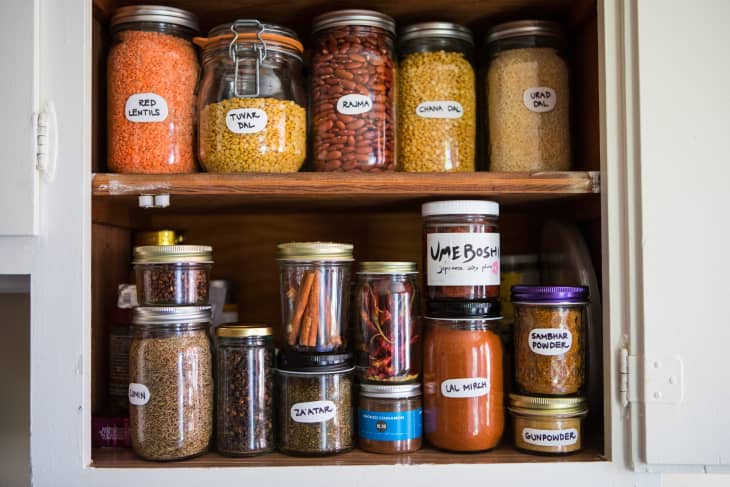
Leaving Dry Foods in Open Bags
Open bags allow moisture and air inside.
This causes food to lose freshness and attract pests.
Confusing Pantry Storage With Refrigeration
Not all foods benefit from refrigeration.
Some foods deteriorate faster when refrigerated unnecessarily.
Foods Commonly Stored in the Wrong Place
- bread
- certain fruits
- potatoes
- onions
Correct placement preserves texture and flavor.
Bread Storage Mistakes
Bread is often stored incorrectly, causing it to dry out or mold quickly.
Why Refrigerating Bread Is Usually a Mistake
Cold temperatures speed up starch crystallization.
This makes bread stale faster, even if mold is delayed.
Fruit Storage Errors That Cause Spoilage
Fruits release natural gases that affect ripening.
Incorrect grouping speeds up spoilage.
Mixing Ripening and Non-Ripening Fruits
Ethylene-producing fruits accelerate ripening of nearby produce.
Separating fruits extends freshness.
Humidity Problems in Food Storage
Excess humidity encourages mold growth and food deterioration.
Lack of ventilation makes the problem worse.
How to Reduce Moisture Buildup
- use airtight containers
- avoid storing food near sinks
- check storage areas regularly
Moisture control preserves food quality.
Why Food Storage Mistakes Create Waste
Improper storage leads to early spoilage and unnecessary disposal.
Simple corrections save money and reduce waste.
Food Storage Myths That Cause Spoilage
Many food storage habits are based on beliefs passed down over time.
Some of these beliefs actually shorten the lifespan of food instead of protecting it.
Myth: If It Smells Fine, It’s Safe to Eat
Smell alone is not a reliable indicator of safety.
Harmful bacteria are often odorless, especially in early stages.
Myth: Food Lasts Longer When Stored Together
Storing many foods together increases cross-contamination.
Separation improves hygiene and freshness.
Myth: Freezing Fixes All Storage Problems
Freezing preserves food, but only when done correctly.
Improper freezing damages texture and flavor.
Leaving Cooked Food Out Too Long
One of the most common and dangerous mistakes is leaving cooked food at room temperature for too long.
Bacteria multiply quickly in warm environments.
Why the “Cooling on the Counter” Habit Is Risky
Food should cool briefly, but not sit uncovered for extended periods.
Proper timing reduces contamination risks.
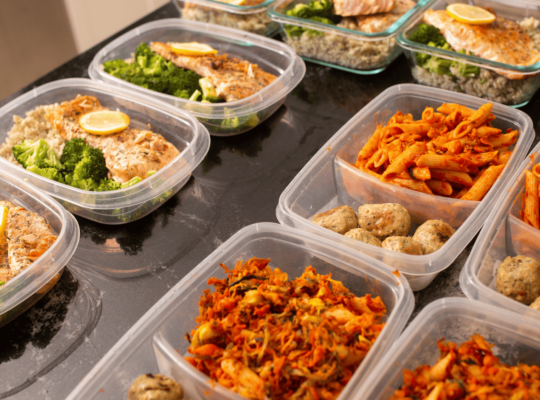
Storing Leftovers Without Dates
Unlabeled leftovers are easily forgotten.
This increases the chance of eating spoiled food or wasting meals.
Freezing Food Incorrectly
Freezing mistakes reduce food quality even if food remains technically safe.
Common Freezing Errors
- freezing food while still warm
- using unsuitable containers
- freezing large portions together
- forgetting food in the freezer
Correct freezing preserves taste and texture.
Repeatedly Freezing and Thawing Food
Freezing and thawing multiple times degrades food quality.
It also increases contamination risk.
Why Food Sometimes Looks Fine but Isn’t
Visual appearance does not guarantee safety.
Proper storage habits matter more than appearance.
Daily Food Storage Habits That Protect Freshness
Long-term food quality depends on daily choices, not occasional clean-ups.
Simple Habits to Apply Every Day
- store food promptly after cooking
- use airtight containers
- label leftovers with dates
- separate raw and cooked food
Consistency prevents spoilage.
Why Food Storage Problems Keep Repeating
Many households experience recurring food spoilage despite buying fresh products.
This usually happens because storage habits never change, even when problems appear.
Repeating small mistakes daily quietly reduces food quality and increases waste.
A Simple Food Storage Checklist
This checklist helps prevent the most common food storage mistakes without complicated systems.
- store food in appropriate locations
- use airtight containers whenever possible
- label leftovers with dates
- separate raw and cooked foods
- cool food properly before refrigerating
- avoid unnecessary refrigeration
- check stored food regularly
Following these steps preserves freshness and reduces waste.
Frequently Asked Questions
Why does food spoil faster at home than expected?
Improper storage conditions, exposure to air and moisture, and repeated temperature changes accelerate spoilage.
Is it safe to eat food past the printed date?
Some dates indicate quality, while others indicate safety. Always assess storage conditions and food appearance.
Should all leftovers be refrigerated?
Yes. Cooked food should be refrigerated promptly to reduce bacterial growth.
Does freezing food stop spoilage completely?
Freezing slows spoilage, but does not reverse poor storage habits or contamination.
How often should stored food be checked?
Checking weekly helps prevent forgotten items and unnecessary waste.
Conclusion: Better Storage Starts With Simple Habits
Proper food storage does not require expensive containers or complex systems.
Awareness of basic mistakes allows food to stay fresh longer and safer to consume.
Small daily habits create meaningful long-term results.