
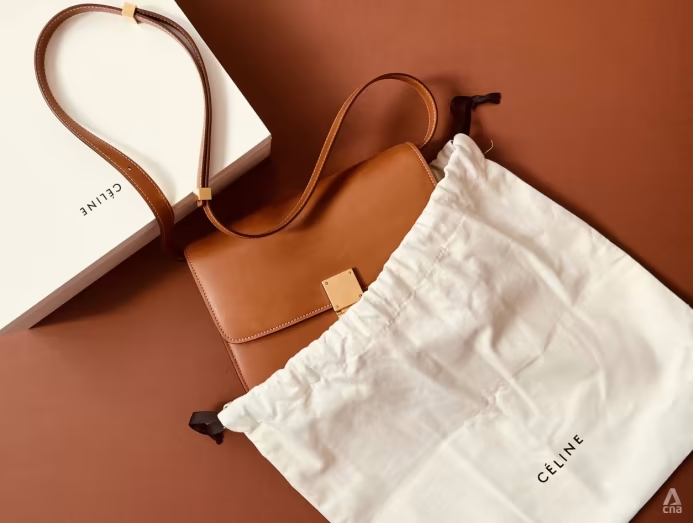
A practical guide to everyday storage mistakes that cause bags and backpacks to lose shape, smell bad, or deteriorate — even when barely used.
Introduction: Why Bag Storage Is Rarely Taken Seriously
Bags and backpacks are often treated as durable items that do not require special care.
Once they are no longer needed, they are usually placed in closets, under beds, or on hooks without much thought.
Over time, incorrect storage habits cause visible and irreversible damage.
Storing Bags While They Are Still Dirty or Damp
One of the most common mistakes is storing bags without cleaning them first.
Dirt, moisture, and sweat residues degrade materials over time.
Why Moisture Is Especially Harmful
Moisture trapped inside bags creates the perfect environment for mold and bacteria.
This is especially damaging for fabric linings and seams.
Leaving Bags Completely Empty During Storage
Storing bags empty causes them to collapse.
Over time, this leads to creases, sagging, and permanent loss of shape.
Why Shape Matters for Bags
Bags are designed to hold a specific structure.
Loss of shape affects both appearance and usability.
Piling Bags on Top of Each Other
Stacking bags puts pressure on straps, corners, and closures.
This pressure causes deformation and material fatigue.
Hanging Heavy Bags by Their Straps
Hanging bags may seem convenient, but it stresses the straps.
Over time, straps stretch or weaken at attachment points.
Storing Bags in Dark, Unventilated Closets
Closets without airflow trap humidity.
Darkness combined with moisture increases mold risk, especially for leather and fabric bags.
Why Bags Often Smell Bad Even When Not Used
Odors usually come from trapped moisture, not from frequent use.
Improper storage allows smells to develop silently.
Ignoring Bag Materials During Storage
Not all bags should be stored the same way.
Leather, fabric, and synthetic materials react differently to humidity, pressure, and light.
Leather Bag Storage Mistakes
Leather is a natural material that needs controlled conditions.
Storing leather bags in plastic covers traps moisture and causes cracking or mold.
Fabric Bag and Backpack Storage Mistakes
Fabric bags absorb moisture easily.
When stored without airflow, they develop odors and mildew.
Synthetic Bags and Shape Problems
Synthetic materials lose shape under pressure.
Storing them folded or crushed causes permanent creases.
Stuffing Bags Incorrectly
Filling bags improperly creates stress points.
Overstuffing stretches seams, while underfilling causes collapse.
What to Use to Support Bag Shape
- soft fabric or cotton cloths
- acid-free paper
- light towels for large bags
Proper support maintains structure without strain.
Using Boxes and Dust Bags Incorrectly
Boxes and dust bags protect bags only when used correctly.
When Boxes Are Helpful
Boxes work best for long-term storage in dry environments.
When Boxes Cause Problems
Boxes without ventilation trap humidity.
This leads to odors and material deterioration.
Shelves vs Hanging for Bag Storage
Storing bags on shelves distributes weight evenly.
Hanging is better suited for light backpacks only.
Not Separating Daily-Use Bags From Stored Ones
Bags used frequently require airflow between uses.
Long-term stored bags need stable conditions.
Why Some Bags Deform Even When Not Used
Deformation often results from constant pressure, poor support, or humidity.
Storage conditions matter more than usage.
Bag Storage Myths That Cause Long-Term Damage
Many bag storage habits are based on assumptions rather than material behavior.
These myths allow damage to develop slowly without immediate signs.
Myth: Bags Only Smell Because They Are Used Often
Odors usually develop during storage, not daily use.
Trapped humidity is the main cause of bad smells.
Myth: Hanging Bags Prevents Deformation
Hanging may prevent creases, but it stretches straps and weakens attachment points.
Weight distribution matters more than position.
Myth: Dust Bags Fully Protect Stored Bags
Dust bags protect against dust, not moisture.
Without airflow, odors and mold can still develop.
Daily-Use Bags vs Long-Term Stored Bags
Bags used daily and bags stored for months require different care.
Treating them the same increases damage risk.
Care Needs for Daily-Use Bags
- airing after use
- emptying contents regularly
- avoiding damp storage areas
These habits reduce odor and stress.
Care Needs for Long-Term Stored Bags
- cleaning before storage
- shape support
- humidity control
- periodic inspection
Long-term protection prevents irreversible damage.
Simple Bag Maintenance Habits That Make a Difference
Bag longevity depends on consistency, not products.
Small habits prevent most storage-related issues.
Habits That Protect Bags
- rotate frequently used bags
- avoid storing bags near heat sources
- clean spills immediately
- keep interiors dry
These habits extend usability significantly.
Why Bags Sometimes Smell Worse When Not Used
Stored bags trap moisture without airflow.
Over time, odors intensify rather than fade.
Preventing Storage Damage Before It Starts
Preventive care is easier than repair.
Understanding materials and storage conditions ensures long-term durability.
Bag Storage Myths That Cause Long-Term Damage
Many bag storage habits are based on assumptions rather than material behavior.
These myths allow damage to develop slowly without immediate signs.
Myth: Bags Only Smell Because They Are Used Often
Odors usually develop during storage, not daily use.
Trapped humidity is the main cause of bad smells.
Myth: Hanging Bags Prevents Deformation
Hanging may prevent creases, but it stretches straps and weakens attachment points.
Weight distribution matters more than position.
Myth: Dust Bags Fully Protect Stored Bags
Dust bags protect against dust, not moisture.
Without airflow, odors and mold can still develop.
Daily-Use Bags vs Long-Term Stored Bags
Bags used daily and bags stored for months require different care.
Treating them the same increases damage risk.
Care Needs for Daily-Use Bags
- airing after use
- emptying contents regularly
- avoiding damp storage areas
These habits reduce odor and stress.
Care Needs for Long-Term Stored Bags
- cleaning before storage
- shape support
- humidity control
- periodic inspection
Long-term protection prevents irreversible damage.
Simple Bag Maintenance Habits That Make a Difference
Bag longevity depends on consistency, not products.
Small habits prevent most storage-related issues.
Habits That Protect Bags
- rotate frequently used bags
- avoid storing bags near heat sources
- clean spills immediately
- keep interiors dry
These habits extend usability significantly.
Why Bags Sometimes Smell Worse When Not Used
Stored bags trap moisture without airflow.
Over time, odors intensify rather than fade.
Preventing Storage Damage Before It Starts
Preventive care is easier than repair.
Understanding materials and storage conditions ensures long-term durability.
Why Bag Storage Problems Keep Repeating
Many people notice that their bags lose shape, develop odors, or look older than expected.
These issues often repeat because storage habits are never adjusted.
Small daily mistakes, repeated over time, quietly damage bags.
A Simple Bag Storage Checklist
This checklist helps protect bags and backpacks without complicated systems or expensive products.
- clean bags before long-term storage
- allow bags to dry fully before storing
- support bag shape with soft filling
- avoid stacking heavy bags on top of each other
- store bags in ventilated spaces
- separate daily-use bags from stored ones
- check stored bags periodically
These steps prevent most common storage problems.
Frequently Asked Questions
Why do bags smell bad even when not used?
Odors usually come from trapped moisture and lack of airflow during storage.
Is it better to hang or store bags on shelves?
Shelves distribute weight evenly, while hanging is better only for light bags.
Should bags be stored empty?
No. Empty bags collapse and lose shape over time.
Are dust bags enough for storage?
Dust bags protect from dust, but airflow and dryness are still necessary.
How often should stored bags be checked?
Checking every few months helps catch moisture or deformation early.
Conclusion: Proper Storage Keeps Bags Looking New
Bags and backpacks are designed to last, but only when stored correctly.
Awareness of simple storage mistakes prevents permanent damage and extends usability.
Small habits, applied consistently, make a significant difference.