
For decades, changing your hair meant trusting a stylist, looking through photos in magazines, scrolling Pinterest ideas and hoping for the best. There was always risk: what if the haircut didn’t suit your face? What if the blonde tone looked terrible on your skin? What if your new bangs made you look five years older instead of younger?
In 2025, artificial intelligence has entered the hair industry with revolutionary force. AI-powered virtual try-on tools, smart color analysis, personalized hair recommendations and digital hair simulations have become everyday beauty technology. Millions of people now test haircuts digitally before visiting the salon. Some even preview styles using augmented reality mirrors inside beauty studios. Salons are adopting AI systems, brands are launching AI hair scanners, and influencers are sharing AI-created looks before real transformations.
Welcome to a world where you don’t guess your hairstyle — you preview it with scientific precision.
What Exactly Is AI Hair Try-On?
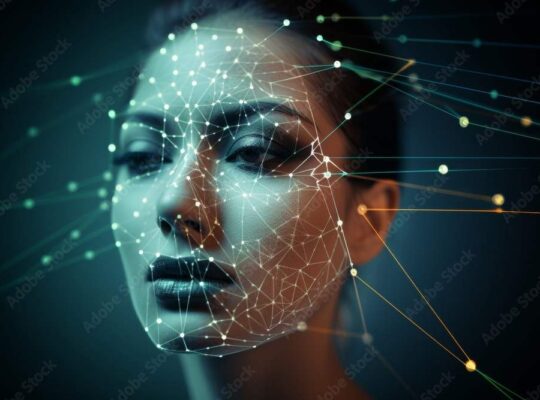
AI hairstyle try-on is a digital process where artificial intelligence analyzes your face shape, features, hair texture, skin undertone and personal aesthetics to recommend hairstyles that suit you. Then it overlays realistic hairstyles, colors and cuts onto your live camera or uploaded photos. In many cases, the simulation looks close to a real photo, using photorealistic models, adaptive lighting and 3D mapping.
The Technology Behind Virtual Hair Try-On
Modern systems combine:
- facial recognition
- skin tone mapping
- hair mask detection
- 3D digital rendering
- deep-learning recommendation engines
- virtual lighting simulation
AI analyzes multiple factors simultaneously:
- jawline shape
- forehead size
- cheekbone visibility
- neck length
- hair texture behavior
- age aesthetic
- color compatibility
This allows AI to predict what is visually harmonious for each person.
Why Virtual Hairstyling Exploded in 2025
Several trends fueled this transformation:
1. The rise of AI-powered beauty apps
Platforms with digital filters expanded rapidly, offering millions of hairstyle presets.
2. Pandemic era remote services
People started styling and transforming their hair from home during lockdowns, and virtual assistance became normalized.
3. TikTok & Instagram beauty culture
Short videos showcasing hair transformations spread globally, encouraging experimentation without risk.
4. Fear of permanent mistakes
People want more control before altering their appearance.
What You Can Do With AI Hair Tools
These systems allow you to:
- test colors without dyeing
- see yourself with bangs
- preview balayage or highlights
- try bob vs long cut
- see blonde, brunette, ginger or fantasy colors
- compare curly vs straight
- preview before extensions
- simulate hair growth
- remove or add layers
- test face-framing techniques
This dramatically reduces uncertainty about big changes.
Psychology Behind Virtual Try-On
Transformation anxiety is real. Changing hair triggers identity perception, self-esteem and social impression. People fear regret or judgment. AI reduces emotional risk by giving visual proof before committing.
You don’t hope the style works — you confirm it visually.
How AI Chooses “Your Best” Hairstyle
Most algorithms use facial geometry principles known to professional stylists:
- oval faces suit most cuts
- round faces benefit from elongating shapes
- square faces soften with waves
- heart-shaped faces suit bangs
- diamond shapes prefer volume balance
AI applies hairstyling theory faster and more consistently than a human stylist could.
Skin Undertone Color Matching
AI color matching is one of the most revolutionary changes. Instead of picking blonde shades randomly, AI analyzes undertone categories:
- warm
- neutral
- cool
Then it suggests tones:
- honey blonde
- ash blonde
- champagne
- caramel
- platinum
- warm brown
- chocolate
- mushroom brown
This makes choosing color much more accurate.
Why Hairstylists Are Using AI Too
Professional salons increasingly use AI to:
- consult clients
- plan transformations
- choose coloring formulas
- simulate final outcomes
- avoid miscommunication
- educate clients visually
AI doesn’t replace stylists — it improves communication and decision confidence.
What About Hair Extensions and Length Changes?
AI can simulate extension length, density and texture:
- keratin bonds
- nano rings
- tape-ins
- clip-ins
This lets users preview dramatic transformations instantly.
Natural vs Dramatic Transformations
AI lets people explore different aesthetics:
- natural enhancements
- subtle tones
- soft balayage
- extreme fantasy colors
- anime styles
- K-pop looks
- celebrity hair recreations
Before, people only imagined. Now they visualize.
How Accurate Is AI Hair Try-On?
Accuracy depends on:
- lighting
- camera quality
- face alignment
- modeling software
Top platforms look incredibly realistic, while older apps look cartoonish.
The Most Popular AI Hair Trends in 2025
Social algorithms reveal major global hair interests:
- Korean curtain bangs
- layered wolf cut
- Scandinavian blonde
- Italian brunette
- face-framing contouring
- Barbie blonde
- red copper
- midnight black
- brown balayage
- expensive brunette
- pearl ash blonde
What Platforms Offer AI Hairstyling?
- L’Oréal AI
- PerfectCorp
- Sephora virtual try-on
- Modiface
- AI beauty filters on smartphones
Are AI Hairstyles Changing Beauty Culture?
Completely. Visual technology has removed uncertainty, fear and guesswork. People experiment far more because testing is instant, safe, reversible and fun.
The Future: Real-Time AI Mirrors in Salons
Imagine entering a salon, standing in front of a smart mirror and seeing hairstyles live on your reflection — before scissors touch your hair. That future already exists in some cities.
Conclusion
AI hasn’t just joined the beauty industry — it is redefining it. Virtual hairstyles offer empowerment, creativity and confidence. Instead of hoping for a good result, you preview your transformation scientifically. AI hairstyling is turning beauty decisions from risky guessing into informed creativity — and the beauty future looks smarter than ever.
External References
- AI beauty technology analysis
- Cosmetic tech innovation reports
- Augmented reality consumer studies
- Virtual try-on industry research