
Modern medicine has achieved extraordinary progress over the past century. Infectious diseases that once devastated populations can now be treated effectively, life expectancy has increased dramatically and technological advances continue transforming healthcare around the world.
Yet despite these achievements, a silent health crisis is growing beneath the surface.
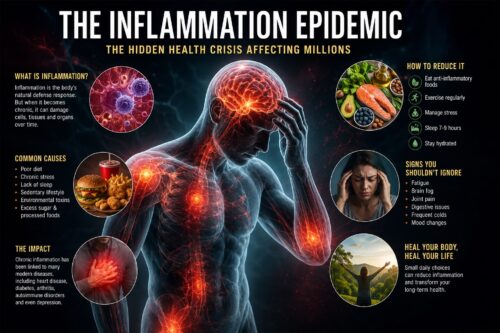
Millions of people experience persistent fatigue, brain fog, digestive problems, joint discomfort, poor recovery, low energy levels and unexplained health issues without realizing that many of these symptoms may be connected to the same underlying factor: chronic inflammation.
Unlike acute inflammation, which helps the body heal after injury or infection, chronic inflammation can remain active for years, gradually affecting tissues, organs and biological systems throughout the body.
Many scientists now consider chronic inflammation one of the most important health challenges of the modern era.
What Is Inflammation?
Inflammation is a natural defense mechanism designed to protect the body.
When an injury occurs or harmful microorganisms enter the body, the immune system responds by increasing blood flow and activating protective processes to support healing.
In short-term situations, inflammation is beneficial and essential for survival.
The problem begins when inflammatory processes fail to switch off properly.
Instead of resolving naturally, the immune system may remain activated for extended periods, creating a state of low-grade chronic inflammation that slowly affects health over time.
The Difference Between Acute and Chronic Inflammation
Acute inflammation is easy to recognize.
A swollen ankle after an injury, redness around a wound or a fever during an infection are all examples of short-term inflammatory responses.
Chronic inflammation is very different.
It often develops silently without obvious symptoms.
People may feel generally unwell, tired or mentally foggy for years without identifying a specific cause.
This hidden nature is one reason why chronic inflammation has become such a significant public health concern.
Why Modern Life Promotes Inflammation
Human biology evolved under conditions very different from those experienced today.
For most of history, people spent more time outdoors, consumed minimally processed foods and engaged in regular physical activity.
Modern lifestyles introduce factors that may contribute to chronic inflammation, including:
- poor sleep quality
- chronic psychological stress
- sedentary behavior
- ultra-processed foods
- environmental pollution
- excessive screen exposure
- high sugar consumption
Individually these factors may appear insignificant, but together they can create conditions that encourage long-term inflammatory activity.
The Connection Between Stress and Inflammation
Stress affects far more than emotional well-being.
When the body perceives stress, it releases hormones designed to help manage immediate challenges.
In short bursts, this response is useful.
However, modern life often exposes individuals to continuous low-level stress that can persist for months or even years.
Research increasingly suggests that chronic stress may contribute to inflammatory processes throughout the body, creating a cycle where stress and inflammation reinforce one another.
Inflammation and the Brain
One of the most fascinating areas of modern research involves the relationship between inflammation and brain health.
Scientists are investigating how inflammatory activity may influence concentration, memory, mood and cognitive performance.
Many individuals experiencing chronic inflammation report symptoms such as mental fatigue, reduced focus and difficulty maintaining energy throughout the day.
This phenomenon is often described as brain fog.
Although research continues, growing evidence suggests that inflammation may play a significant role in cognitive well-being.
Inflammation and Modern Disease
Over the past two decades, researchers have increasingly linked chronic inflammation to many of the most common health conditions affecting modern populations.
While inflammation itself is not always the direct cause of disease, it appears to play an important role in creating biological environments that may contribute to long-term health problems.
Scientists continue studying its relationship with cardiovascular disease, type 2 diabetes, obesity, autoimmune disorders and certain neurodegenerative conditions.
This growing body of research has led many experts to describe inflammation as one of the central biological processes influencing modern health.
The Hidden Role of Diet
Food provides far more than calories.
Every meal contains compounds that interact with hormones, metabolism and the immune system.
Modern diets often contain high levels of refined sugars, ultra-processed ingredients and artificial additives while providing lower amounts of fiber, vitamins and beneficial nutrients.
Over time, these dietary patterns may contribute to metabolic stress and inflammatory activity.
By contrast, diets rich in vegetables, fruits, legumes, healthy fats and minimally processed foods are often associated with lower levels of inflammation and improved overall health.
The Gut Microbiome Connection
One of the most exciting discoveries in modern medicine involves the trillions of microorganisms living inside the human digestive system.
Collectively known as the gut microbiome, these bacteria, fungi and other microbes influence digestion, immune function and even aspects of mental health.
Researchers now believe that disruptions within the microbiome may contribute to inflammatory processes throughout the body.
Poor dietary habits, chronic stress, lack of sleep and excessive antibiotic use can all affect microbial balance.
As a result, maintaining a healthy gut environment is becoming an increasingly important area of health research.
The Sleep-Inflammation Cycle
Sleep is one of the body’s most important recovery mechanisms.
During deep sleep, numerous biological repair processes take place, helping regulate hormones, immune activity and cellular maintenance.
When sleep quality declines, inflammatory markers often increase.
Unfortunately, inflammation itself may also interfere with restorative sleep.
This creates a cycle in which poor sleep promotes inflammation while inflammation contributes to further sleep disruption.
Breaking this cycle is often an important step toward improving overall well-being.
The Impact of Physical Inactivity
The human body evolved for movement.
Throughout history, daily life involved walking, lifting, climbing and other forms of regular physical activity.
Modern lifestyles often involve prolonged periods of sitting, screen use and limited movement.
Research suggests that physical inactivity may contribute to metabolic dysfunction and chronic inflammatory activity.
Regular movement, on the other hand, appears to support numerous biological processes associated with resilience and recovery.
Can Inflammation Affect Mental Health?
Scientists are increasingly investigating the relationship between inflammation and mental well-being.
Emerging evidence suggests that immune activity and brain function may be more closely connected than previously believed.
Although mental health is influenced by many factors, researchers continue exploring how inflammatory processes might contribute to symptoms such as low mood, fatigue and reduced motivation.
This field remains one of the most rapidly evolving areas of modern health science.
The Lifestyle Factors Most People Ignore
Many people focus exclusively on treating symptoms while overlooking the daily habits that influence long-term health.
Simple factors such as sleep consistency, stress management, hydration, sunlight exposure and regular physical activity can have significant effects on biological systems linked to inflammation.
While no single habit determines health outcomes, the cumulative impact of daily behaviors may be far greater than most people realize.
A Growing Public Health Challenge
As rates of chronic disease continue increasing worldwide, inflammation has become a major focus for researchers and healthcare professionals.
Understanding how modern lifestyles influence inflammatory processes may help individuals make more informed choices about their health.
The challenge is not simply living longer, but creating conditions that allow people to remain healthier, more energetic and more resilient throughout life.
Can Chronic Inflammation Be Reduced?
One of the most encouraging findings in modern health research is that many of the factors associated with chronic inflammation are influenced by daily lifestyle choices.
While genetics certainly play a role in overall health, researchers increasingly recognize the importance of habits that support the body’s natural recovery systems.
The goal is not to eliminate inflammation completely. Inflammation remains a vital biological process necessary for healing and protection.
Instead, the objective is to reduce unnecessary chronic inflammatory activity that may place long-term stress on the body.
The Power of Anti-Inflammatory Nutrition
Nutrition remains one of the most powerful tools available for supporting overall health.
Many researchers associate anti-inflammatory eating patterns with improved metabolic function, cardiovascular health and long-term well-being.
Foods commonly linked to lower inflammation include:
- vegetables
- fruits
- olive oil
- nuts and seeds
- fatty fish
- legumes
- whole grains
These foods provide vitamins, minerals, antioxidants and other compounds that help support normal biological processes.
At the same time, reducing excessive consumption of ultra-processed foods and sugary products may help improve overall health outcomes.
Why Sleep May Be the Ultimate Recovery Tool
Sleep is often underestimated in discussions about health optimization.
During sleep, the body performs countless repair and maintenance functions that support physical and mental recovery.
Hormone regulation, immune function, memory consolidation and cellular repair all depend heavily on adequate rest.
Individuals who consistently prioritize sleep often experience improvements in energy levels, concentration and overall resilience.
In many ways, sleep acts as one of the body’s most effective anti-inflammatory mechanisms.
Movement as Medicine
Exercise is frequently described as one of the closest things to a universal health intervention.
Regular movement supports circulation, cardiovascular function, metabolic health and emotional well-being.
Importantly, physical activity does not necessarily require intense training sessions.
Walking, cycling, swimming and other forms of moderate movement can provide meaningful health benefits when performed consistently.
The human body was designed to move, and modern research continues to confirm the importance of maintaining an active lifestyle.
The Future of Preventive Medicine
Healthcare is gradually shifting from reactive treatment toward preventive care.
Rather than waiting for disease to develop, many experts now focus on identifying risk factors earlier and supporting long-term health through lifestyle interventions.
Wearable technology, advanced diagnostics and personalized health monitoring are helping individuals understand their bodies in unprecedented ways.
This transition may significantly improve how chronic health conditions are managed in the future.
Artificial Intelligence and Personalized Health
Artificial intelligence is beginning to transform modern healthcare.
AI systems can analyze enormous amounts of medical information, helping researchers identify patterns that would be difficult for humans to detect alone.
Future technologies may allow healthcare professionals to create highly personalized prevention strategies based on genetics, lifestyle habits and individual health data.
This could lead to earlier interventions and more effective approaches to maintaining long-term wellness.
The Link Between Inflammation and Longevity
One of the most intriguing areas of modern aging research involves the connection between inflammation and lifespan.
Scientists have observed that many individuals who enjoy exceptional longevity often display lower levels of chronic inflammation throughout life.
This has led researchers to investigate how reducing long-term inflammatory stress may contribute to healthier aging.
While no single factor determines longevity, inflammation appears to play a significant role in how the body ages over time.
The Health Challenge of the 21st Century
Unlike many historical health threats, chronic inflammation often develops gradually and silently.
It rarely produces dramatic symptoms in its early stages, making it easy to ignore.
However, its long-term influence on physical and mental well-being may be substantial.
As lifestyles become increasingly sedentary and digitally connected, understanding inflammation may become one of the most important aspects of modern health education.
Final Conclusion
Chronic inflammation has emerged as one of the most important health topics of the modern era.
Although inflammation is a natural and necessary biological process, long-term low-grade inflammation may influence energy levels, cognitive function, metabolic health and overall well-being.
Modern lifestyles characterized by stress, poor sleep, sedentary behavior and highly processed diets may contribute to this growing challenge.
The encouraging news is that many of the factors associated with chronic inflammation can be influenced through healthier daily habits, preventive healthcare and greater awareness.
As scientific understanding continues advancing, reducing inflammation may become one of the most powerful strategies for improving both lifespan and quality of life in the decades ahead.